
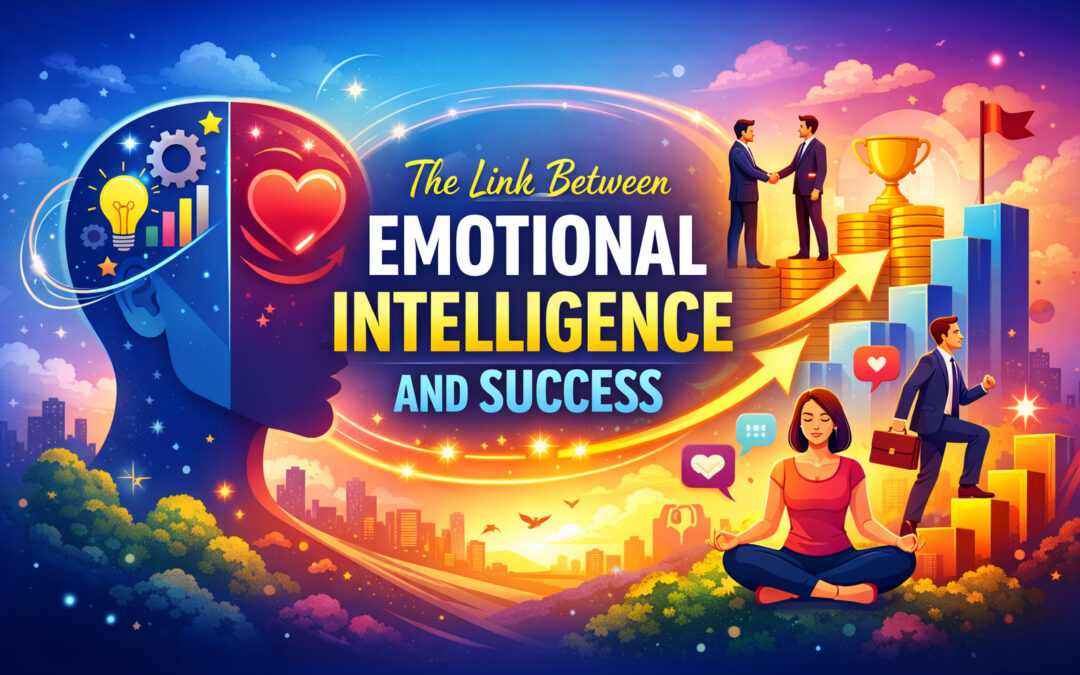
In today’s fast-changing world, success is no longer defined only by intelligence, technical skills, or academic qualifications. While these factors still matter, there is another powerful element that plays a crucial role in shaping a person’s success emotional intelligence (EQ). Emotional intelligence is the ability to understand, manage, and express emotions effectively, both in yourself and in others. It is the hidden skill that often determines how far a person can go in life.
Understanding Emotional Intelligence
Emotional intelligence consists of five key components: self-awareness, self-regulation, motivation, empathy, and social skills. Self-awareness helps you recognize your emotions and understand how they affect your thoughts and behavior. Self-regulation allows you to control impulsive reactions and stay calm under pressure. Motivation drives you to achieve goals with passion and consistency. Empathy enables you to understand the emotions of others, and social skills help you build strong relationships.
Together, these abilities create a strong emotional foundation that influences decision-making, communication, and leadership.
Why Emotional Intelligence Matters for Success
Success in life and career is not just about what you know, but how you handle yourself and interact with others. People with high emotional intelligence are often better at managing stress, resolving conflicts, and working in teams. They can adapt to difficult situations without losing focus or becoming overwhelmed.
In the workplace, employees with strong EQ are more likely to become effective leaders. This is because leadership is not only about giving instructions but also about inspiring and understanding people. Leaders who show empathy and emotional awareness can build trust and loyalty within their teams, leading to better productivity and a healthier work environment.
Emotional Intelligence vs IQ
For many years, intelligence quotient (IQ) was considered the main indicator of success. However, research has shown that IQ alone is not enough. Many highly intelligent people struggle in their careers due to poor emotional management or lack of interpersonal skills. On the other hand, individuals with average IQ but high emotional intelligence often achieve greater success because they know how to connect with people, handle challenges, and stay resilient.
This does not mean IQ is unimportant, but emotional intelligence complements it. Together, they create a balanced and successful individual.
Emotional Intelligence in Personal Life
The impact of emotional intelligence is not limited to professional life. It plays a major role in personal relationships as well. People with high EQ communicate better, understand their partner’s feelings, and resolve misunderstandings more peacefully. They are also more self-aware, which helps them avoid unnecessary conflicts and emotional stress.
Strong emotional intelligence leads to healthier relationships, better mental health, and overall life satisfaction.
How to Improve Emotional Intelligence
The good news is that emotional intelligence can be developed over time. Practicing self-reflection is a great starting point. Take time to understand your emotions and reactions in different situations. Learning to pause before reacting helps improve self-control.
Developing empathy is also important. Try to listen more and judge less. Understanding others’ perspectives builds stronger connections. Additionally, improving communication skills and learning stress management techniques like mindfulness or deep breathing can significantly enhance emotional intelligence.
Conclusion
Emotional intelligence is a powerful skill that directly influences success in both personal and professional life. While knowledge and technical skills open doors, emotional intelligence helps you walk through them with confidence and stability. By developing EQ, you not only improve your relationships and decision-making but also increase your chances of long-term success.
In the modern world, where teamwork, communication, and adaptability are essential, emotional intelligence is no longer optional it is a necessity.