
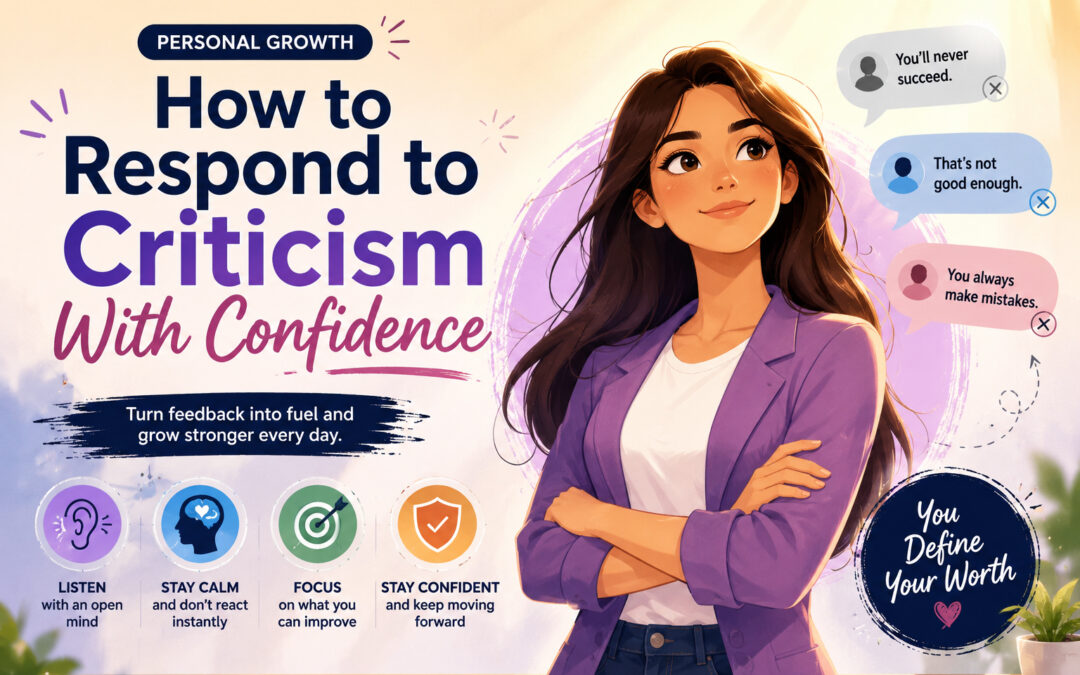
In today’s fast-paced digital and social world, criticism is something everyone encounters at some point in life. Whether it comes from colleagues, friends, family, or online platforms, learning how to respond to criticism with confidence is a crucial life skill. The way you handle feedback can either strengthen your self-esteem or shake your confidence. The key lies in developing emotional intelligence, self-awareness, and a balanced mindset.
Understanding Criticism in the Right Way
Criticism is often misunderstood as something negative or personal. However, not all criticism is meant to hurt you. Constructive criticism is designed to help you grow, improve your skills, and identify blind spots you may not notice on your own. On the other hand, destructive criticism is usually based on opinions, emotions, or misunderstandings and does not contribute to your growth.
The first step in responding confidently is to differentiate between constructive and destructive feedback. When you understand the intention behind the words, you can respond more logically instead of emotionally.
Pause Before You React
One of the most powerful habits you can develop is pausing before reacting. When someone criticizes you, your natural instinct may be to defend yourself immediately. However, reacting too quickly can lead to misunderstandings or regretful responses.
Instead, take a moment to breathe and process what was said. Ask yourself whether there is any truth in the feedback. This short pause allows you to shift from an emotional reaction to a thoughtful response, which is a key part of confidence.
Listen Actively and Stay Open-Minded
Confidence does not mean ignoring criticism. In fact, truly confident people are open to feedback because they understand that growth comes from learning. Practice active listening when someone is sharing their thoughts with you.
Avoid interrupting or arguing immediately. Instead, listen carefully, make mental notes, and try to understand their perspective. Even if you disagree, acknowledging their opinion shows maturity and emotional strength.
Respond Calmly and Professionally
Once you have processed the criticism, respond in a calm and respectful manner. You do not need to agree with everything, but your response should reflect confidence and control.
You can say things like:
- “I appreciate your feedback, I will think about it.”
- “I understand your point, let me reflect on this.”
- “Thank you for sharing your perspective.”
Such responses show that you are confident enough to consider feedback without feeling threatened by it.
Build Strong Self-Awareness
One of the strongest shields against negative criticism is self-awareness. When you know your strengths, weaknesses, and values, external opinions have less control over your emotions.
Spend time reflecting on your actions, achievements, and areas of improvement. Journaling, meditation, or even self-assessment exercises can help you develop a clearer understanding of yourself. This inner clarity allows you to respond to criticism with stability and confidence.
Do Not Take Everything Personally
A common mistake people make is taking every criticism personally. Remember that people often project their own experiences, frustrations, or biases onto others. Not everything said about you defines who you are.
Learning to detach your self-worth from external opinions is essential. When you stop personalizing criticism, you gain emotional freedom and respond more rationally.
Use Criticism as a Growth Tool
Instead of fearing criticism, treat it as a tool for growth. Ask yourself what you can learn from it. Even if only 10 percent of the feedback is useful, that portion can help you improve significantly over time.
Confident individuals are not those who avoid criticism but those who use it to become better versions of themselves.
Conclusion
Responding to criticism with confidence is a skill that develops over time. It requires patience, emotional control, and self-awareness. When you learn to pause, listen, and respond thoughtfully, criticism loses its power to hurt you and instead becomes a stepping stone for personal growth.
By practicing these techniques consistently, you can build a strong mindset that remains steady even in challenging situations.