
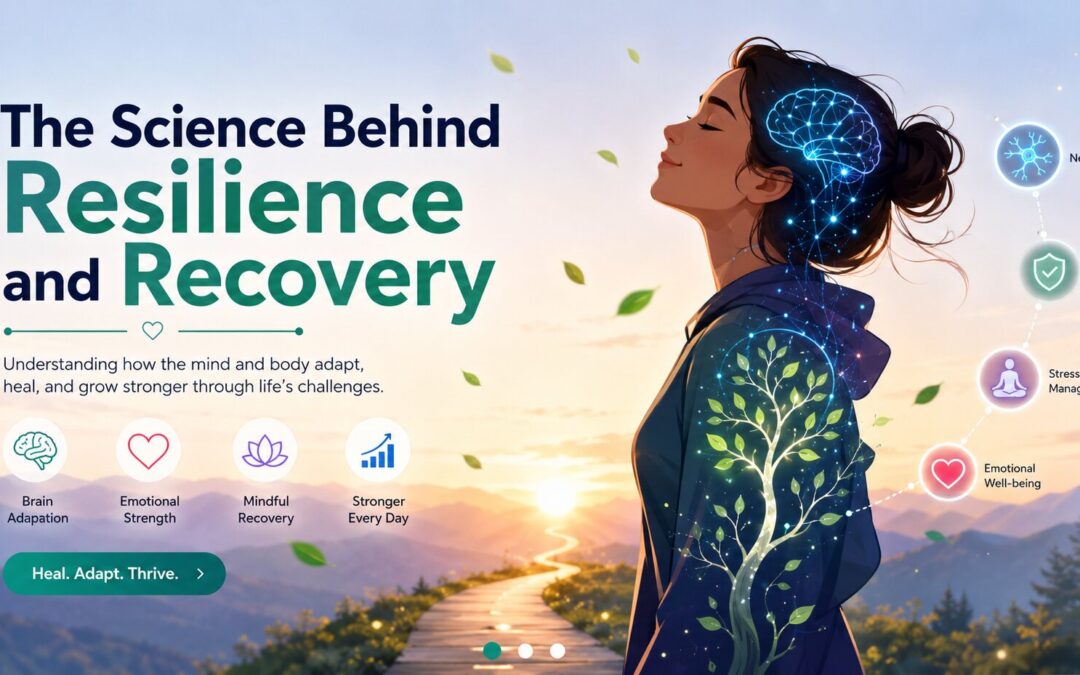
Life is filled with challenges, setbacks, and unexpected changes. While some individuals struggle to move forward after difficult experiences, others seem to recover and adapt more effectively. This ability to bounce back from adversity is known as resilience. Far from being an inborn trait possessed by only a few, resilience is a skill supported by science and strengthened through experience, mindset, and healthy habits.
Understanding the science behind resilience and recovery can help individuals navigate stress, overcome obstacles, and build a stronger foundation for long-term well-being.
What Is Resilience?
Resilience is the capacity to adapt positively when faced with stress, trauma, loss, or significant life challenges. It does not mean avoiding emotional pain or pretending that difficulties do not exist. Instead, resilience involves acknowledging hardships, managing emotions effectively, and finding ways to move forward despite adversity.
Research in psychology and neuroscience suggests that resilience is a dynamic process rather than a fixed personality trait. People can develop and strengthen resilience over time through intentional practices and supportive environments.
The Brain’s Role in Resilience
The human brain is remarkably adaptable. This adaptability, known as neuroplasticity, allows the brain to reorganize itself in response to experiences and learning. When individuals encounter stressful situations, several regions of the brain become involved.
The amygdala, often referred to as the brain’s emotional processing center, detects potential threats and triggers stress responses. The prefrontal cortex helps regulate emotions, make decisions, and evaluate situations logically. Resilient individuals tend to demonstrate stronger communication between these regions, allowing them to respond thoughtfully rather than react impulsively.
Studies have shown that mindfulness practices, positive thinking, and emotional regulation techniques can strengthen neural pathways associated with resilience. Over time, these habits help the brain become more effective at managing stress and recovering from difficult experiences.
The Connection Between Stress and Recovery
Stress is a natural response designed to help individuals cope with challenges. However, chronic stress can negatively affect physical and mental health. Prolonged exposure to stress hormones such as cortisol may contribute to anxiety, depression, sleep disturbances, and weakened immune function.
Recovery is the process through which the mind and body restore balance after periods of stress. Quality sleep, regular physical activity, healthy nutrition, and relaxation techniques play essential roles in this process. Recovery allows the nervous system to reset, helping individuals regain emotional stability and mental clarity.
Rather than eliminating stress entirely, resilience involves developing healthy recovery mechanisms that prevent stress from becoming overwhelming.
Key Factors That Build Resilience
Several evidence-based factors contribute to resilience and emotional recovery:
Strong Social Connections
Supportive relationships provide emotional comfort, practical assistance, and a sense of belonging. People who maintain strong social networks often cope more effectively with adversity and experience better mental health outcomes.
Positive Adaptability
Resilient individuals are more likely to view challenges as opportunities for growth rather than permanent failures. This mindset encourages problem-solving and promotes confidence during difficult situations.
Emotional Awareness
Recognizing and understanding emotions is an important component of resilience. Emotional awareness enables individuals to process feelings constructively instead of suppressing them.
Purpose and Meaning
Having a clear sense of purpose can provide motivation and direction during challenging times. Whether through personal goals, community involvement, or meaningful relationships, purpose helps individuals stay focused on the future.
Healthy Lifestyle Habits
Regular exercise, balanced nutrition, adequate sleep, and stress-management practices support both physical and psychological resilience. These habits enhance overall well-being and improve the body’s ability to recover from stress.
Practical Ways to Strengthen Resilience
Building resilience is an ongoing process that requires consistent effort. Simple daily practices can make a significant difference:
- Practice mindfulness and meditation.
- Maintain a healthy routine that includes exercise and sleep.
- Develop strong relationships with family and friends.
- Focus on solutions rather than dwelling on problems.
- Set realistic goals and celebrate small achievements.
- Seek professional support when needed.
- Engage in activities that promote personal growth and self-reflection.
Over time, these habits can strengthen emotional resilience and improve the ability to recover from life’s inevitable challenges.
Conclusion
The science behind resilience and recovery reveals that the ability to overcome adversity is not simply a matter of willpower. It is influenced by brain function, emotional regulation, social support, and healthy lifestyle choices. By understanding how resilience works and adopting evidence-based strategies, individuals can enhance their capacity to manage stress, recover from setbacks, and lead more balanced and fulfilling lives. Resilience is not about avoiding difficulties—it is about developing the strength and flexibility needed to thrive despite them.