
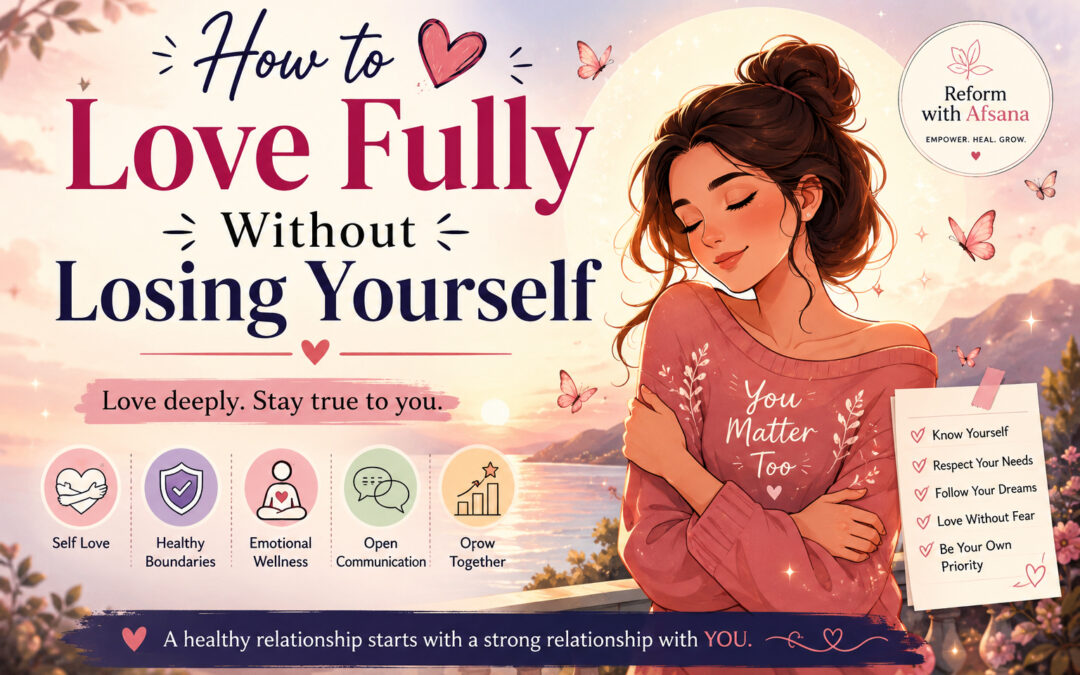
Love has the power to transform our lives. It brings comfort during difficult times, inspires personal growth, and creates meaningful connections. However, many people unknowingly lose themselves while trying to make a relationship work. They begin putting their partner’s happiness above their own, ignore personal goals, and slowly disconnect from their identity. Healthy love should never require you to sacrifice who you are.
Loving someone fully means offering care, support, and commitment while still honoring your own needs, values, and dreams. When both partners maintain a strong sense of self, the relationship becomes more balanced, respectful, and fulfilling.
Understand the Difference Between Love and Self-Sacrifice
Many people mistake constant self-sacrifice for love. While compromise is an important part of any healthy relationship, giving up your personality, passions, or emotional well-being is not.
True love encourages both individuals to grow together without forcing either person to lose their individuality. A supportive partner appreciates your uniqueness instead of expecting you to change everything about yourself.
Ask yourself simple questions regularly:
- Am I still doing the things I enjoy?
- Do I feel comfortable expressing my opinions?
- Am I making decisions based on love or fear?
- Am I taking care of my own emotional health?
These questions help you stay connected with yourself while nurturing your relationship.
Build a Strong Relationship with Yourself
The healthiest relationships begin with self-awareness. Before expecting someone else to value you, it’s important to recognize your own worth.
Spend time doing activities that make you feel fulfilled. Continue learning new skills, pursuing hobbies, maintaining friendships, and setting personal goals. These experiences strengthen your confidence and remind you that your identity exists beyond your relationship.
Self-love is not selfish. It creates emotional stability and allows you to give love from a place of abundance instead of insecurity.
Set Healthy Boundaries Without Feeling Guilty
Boundaries are one of the strongest foundations of lasting relationships. They communicate what makes you feel respected, safe, and emotionally healthy.
Healthy boundaries may include:
- Protecting your personal time
- Respecting each other’s privacy
- Communicating honestly about your needs
- Saying no when something feels uncomfortable
- Maintaining healthy friendships and family connections
Boundaries are not walls that push people away. They create mutual respect and prevent resentment from building over time.
Communicate with Honesty and Compassion
Many relationship problems develop because people avoid difficult conversations. They stay silent to avoid conflict, only to feel misunderstood later.
Healthy communication means expressing your feelings honestly while also listening with empathy. Share your thoughts without blaming or criticizing your partner.
Instead of saying, “You never care about me,” try saying, “I feel disconnected lately, and I’d love for us to spend more quality time together.”
This small shift encourages understanding rather than defensiveness.
Keep Growing as an Individual
Being in a loving relationship doesn’t mean putting your personal development on hold.
Continue working toward your career goals, education, health, creativity, and personal passions. Celebrate your partner’s achievements while also pursuing your own dreams.
Growth creates confidence, and confident individuals bring positive energy into their relationships. When both partners continue evolving, the relationship remains exciting and inspiring.
Recognize the Signs of Losing Yourself
Sometimes losing yourself happens gradually, making it difficult to notice. Pay attention if you frequently experience these signs:
- Constantly seeking your partner’s approval
- Feeling guilty for spending time alone
- Neglecting your interests or friendships
- Changing your personality to avoid conflict
- Feeling anxious about expressing your true feelings
Recognizing these patterns early allows you to reconnect with your authentic self before resentment develops.
Practice Emotional Independence
A healthy relationship provides emotional support, but it should not become your only source of happiness.
Develop emotional resilience by practicing mindfulness, journaling, exercising, or speaking with trusted friends or a professional when needed. Emotional independence helps you manage life’s challenges without placing unrealistic pressure on your partner.
When both people take responsibility for their emotional well-being, the relationship becomes healthier and more sustainable.
Love Without Losing Who You Are
The strongest relationships are built between two complete individuals who choose to walk through life together. Love should add joy to your life, not replace your identity.
Remember that your dreams, values, passions, and voice matter just as much after entering a relationship as they did before. By maintaining self-respect, communicating openly, setting healthy boundaries, and continuing your personal growth, you create a partnership where both love and individuality can thrive.
Real love never asks you to become someone else. Instead, it encourages you to become the best version of yourself while sharing your life with someone who appreciates you for exactly who you are.