
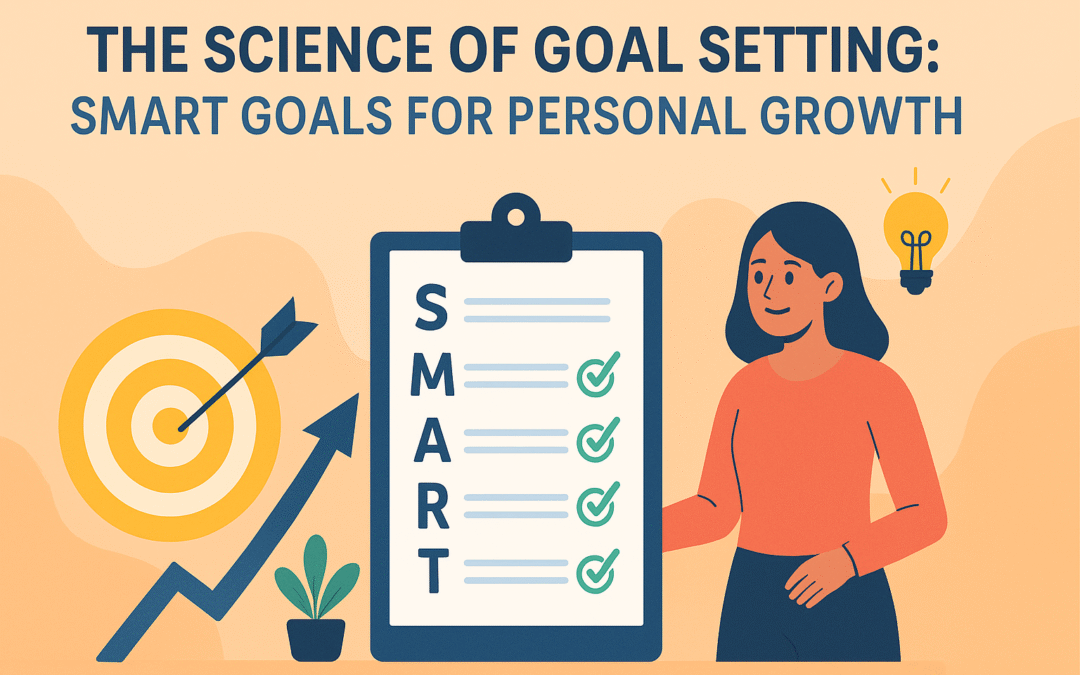
Setting goals is more than just deciding what you want to achieve — it’s about creating a clear, actionable plan that leads to real results. Whether you’re aiming for personal growth, career advancement, or better health, the way you set your goals determines your success. That’s where the science of goal setting and the concept of SMART goals come into play.
Understanding the Power of Goal Setting
Goals give your life direction. They transform vague desires into specific outcomes and motivate you to take consistent action. Psychologists have found that people who set clear goals are significantly more likely to achieve them compared to those who don’t. Goal setting helps you focus your energy, measure your progress, and maintain accountability along the way.
However, not all goals are created equal. Setting a goal like “I want to be successful” sounds great but lacks clarity. How will you measure success? What actions will lead you there? This is where SMART goals can make all the difference.
What Are SMART Goals?
SMART is an acronym that stands for Specific, Measurable, Achievable, Relevant, and Time-bound. This framework provides a structured approach to goal setting, ensuring that each goal is clear, realistic, and actionable.
Let’s break it down:
Specific – Define your goal clearly. What do you want to achieve? Why is it important? A specific goal answers the “who, what, when, where, and why.”
Example: Instead of saying “I want to get fit,” say “I will work out at least four times a week to improve my strength and stamina.”
Measurable – You need a way to track progress. Measurement keeps you motivated and helps you recognize when you’ve succeeded.
Example: “I will lose 10 pounds in three months” is measurable, while “I want to lose weight” is not.
Achievable – A goal should challenge you but remain realistic. If it’s too ambitious, you may get discouraged and give up.
Example: “I will learn basic conversational Spanish in six months” is attainable, but “I will be fluent in a week” is not.
Relevant – Your goal should align with your broader life objectives and values. Ask yourself, “Does this goal matter to me right now?”
Example: If personal development is your focus, improving your communication skills may be more relevant than learning to play guitar.
Time-bound – Every goal needs a deadline. Without one, you’re likely to procrastinate. A timeframe creates a sense of urgency and accountability.
Example: “I will save $1,000 in six months” gives you a clear target and timeline.
The Psychology Behind SMART Goals
The SMART method is rooted in psychology. Studies show that setting structured and specific goals activates the prefrontal cortex — the part of your brain responsible for planning and decision-making. This mental clarity helps you prioritize tasks and resist distractions.
Moreover, measurable and time-bound goals trigger the brain’s reward system. Each milestone achieved releases dopamine — the “feel-good” chemical — reinforcing your motivation to keep going.
Applying SMART Goals for Personal Growth
Personal growth involves improving different aspects of your life — emotional, intellectual, physical, and social. You can use SMART goals to enhance each area:
-
Emotional Growth: “I will journal for 10 minutes every morning to increase self-awareness for the next 30 days.”
-
Intellectual Growth: “I will read one self-improvement book every month.”
-
Physical Growth: “I will walk 8,000 steps daily for the next three months.”
-
Social Growth: “I will initiate one meaningful conversation with a friend or colleague each week.”
By setting and tracking these goals, you’ll notice tangible progress over time, which boosts confidence and self-discipline.
Final Thoughts
The science of goal setting isn’t just about achieving results — it’s about building habits, improving focus, and developing a growth mindset. SMART goals provide the framework you need to turn dreams into reality. Remember, consistency matters more than speed. Start small, stay focused, and celebrate every step of progress.
Personal growth begins the moment you decide to take control of your goals — so start today, and make your success intentional.