
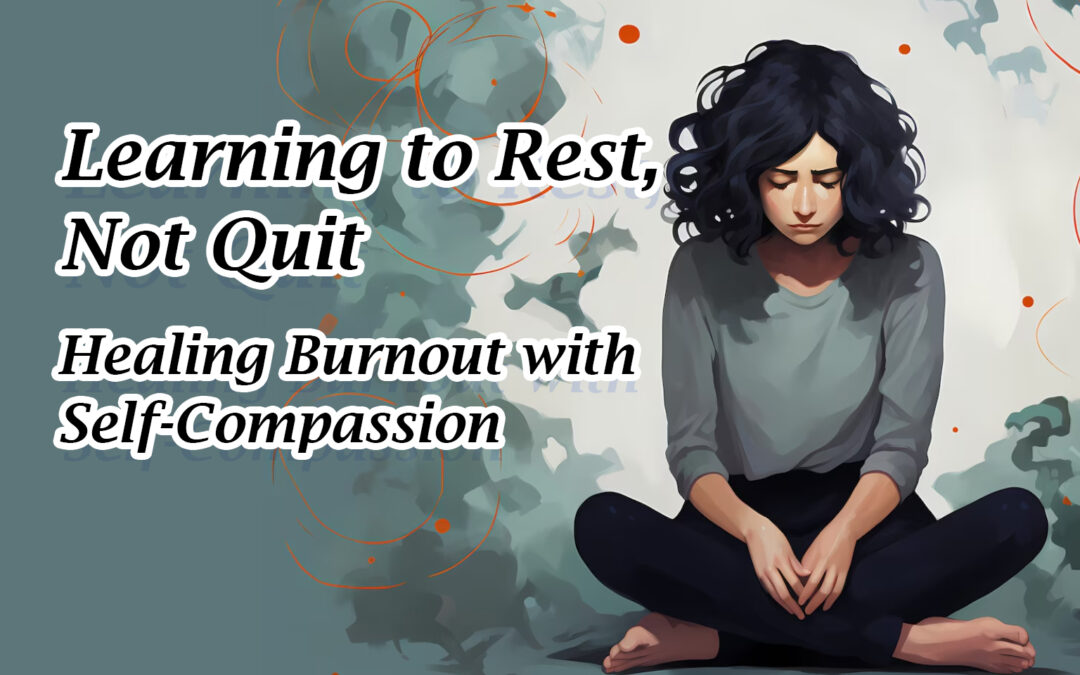
In today’s fast-paced world, burnout has become an all-too-common experience. Many people feel trapped between endless responsibilities, high expectations, and the constant pressure to perform. When exhaustion sets in, the natural reaction might be to quit to walk away from work, relationships, or personal goals. However, quitting is not always the answer. Often, the more sustainable path is learning to rest, not quit, and embracing self-compassion as a tool for healing.
Burnout is not merely physical fatigue it’s emotional, mental, and spiritual depletion. It signals that we have pushed ourselves beyond healthy limits. Recognizing burnout is the first step towards recovery. Signs can include chronic exhaustion, irritability, decreased motivation, or feeling detached from things that once brought joy. While these symptoms are challenging, they also serve as an invitation to pause, reflect, and prioritize self-care.
One of the most powerful ways to address burnout is through self-compassion. Self-compassion involves treating yourself with the same kindness and understanding that you would offer a close friend. Instead of berating yourself for feeling exhausted or unproductive, self-compassion encourages acceptance and gentle care. It allows you to acknowledge your struggles without shame, opening the door to authentic healing.
Rest is not a luxury; it’s a necessity. Many of us equate rest with laziness or weakness, but resting is an act of strength. It rejuvenates the mind and body, restores creativity, and prevents further burnout. Incorporating deliberate breaks into your routine whether it’s a short walk, meditation, reading, or simply sitting in stillness can make a significant difference. Even micro-moments of rest during a busy day can replenish your energy and improve focus.
Mindfulness practices complement self-compassion by helping you stay present and aware of your own needs. Techniques like deep breathing, journaling, or mindful meditation allow you to observe your thoughts and feelings without judgment. Through mindfulness, you cultivate a sense of inner calm and clarity, making it easier to identify which areas of life require adjustment.
Healing from burnout also involves setting healthy boundaries. Learning to say no, delegating tasks, and prioritizing what truly matters reduces unnecessary stress. Self-compassion reminds us that it’s okay to step back, recalibrate, and honor our limits. Boundaries are not a sign of weakness; they are essential for sustainable well-being and long-term productivity.
Another important aspect of recovery is self-reflection. Take time to evaluate what led to burnout in the first place. Was it overcommitment, perfectionism, or lack of support? Understanding the root cause helps in making conscious changes and preventing recurrence. Remember, burnout is often a signal from your mind and body, urging you to realign with your values, passions, and health.
Finally, embrace gradual progress. Healing doesn’t happen overnight. It requires patience, consistency, and self-compassion. Celebrate small wins, whether it’s completing a restorative activity, taking a mental health day, or simply being kinder to yourself. These incremental steps build resilience and reinforce the practice of resting without guilt.
In conclusion, burnout does not have to lead to quitting. By practicing self-compassion, incorporating mindful rest, setting boundaries, and reflecting on your needs, you can restore your energy and reconnect with your purpose. Learning to rest, not quit empowers you to face life’s challenges with renewed strength, balance, and clarity. Remember, taking care of yourself is not an indulgence it’s a vital act of courage and self-respect.