
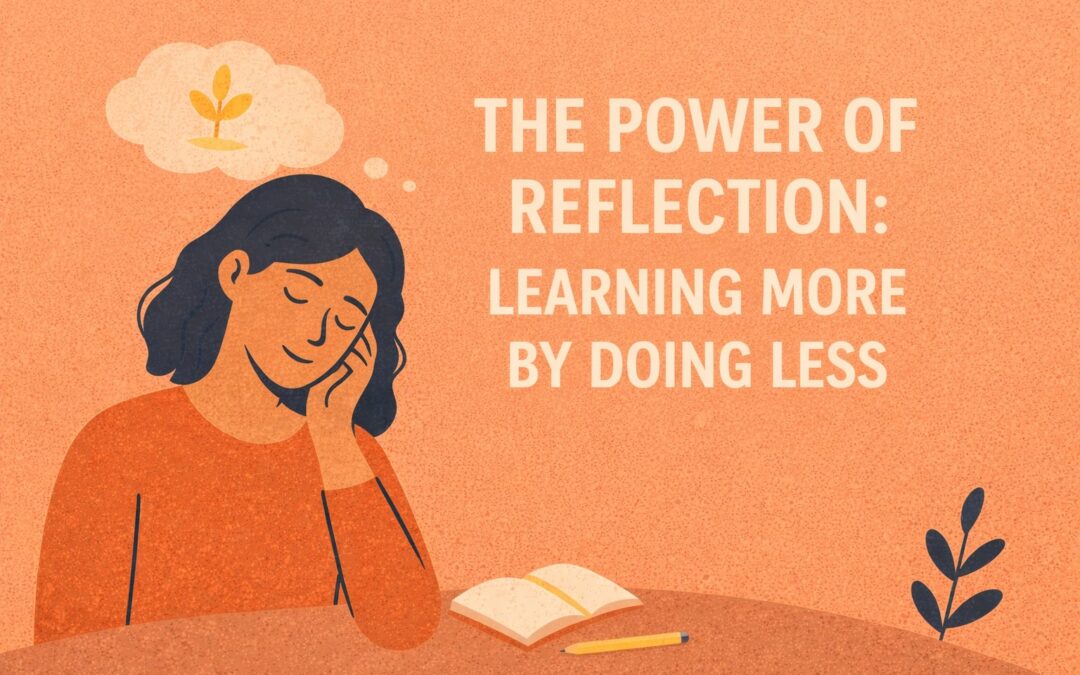
In a world that constantly rewards busyness, slowing down can feel uncomfortable even unproductive. We are taught to believe that growth comes from doing more, achieving more, and pushing harder. Yet true wisdom, clarity, and self-awareness often come from the opposite approach: reflection. Reflection allows us to learn deeply, grow consciously, and move forward with intention rather than exhaustion.
Reflection is not about inactivity. It is about creating space to understand your experiences instead of rushing past them.
Why Reflection Matters in Personal Growth
Reflection helps you turn experiences into insight. Without reflection, life becomes a series of repeated patterns. You move from one situation to another without fully understanding what worked, what didn’t, or why you felt the way you did.
When you reflect, you pause long enough to listen to your inner voice. You begin to notice your emotions, thoughts, reactions, and values. This awareness becomes the foundation for meaningful personal growth and better decision-making.
Doing Less to Learn More
Constant action keeps the mind busy but not necessarily wise. When you are always doing, there is little room to process. Reflection creates that missing space. It allows lessons to surface naturally.
Doing less does not mean avoiding responsibility. It means choosing intentional pauses moments to evaluate, reassess, and realign. These pauses prevent burnout and help you move forward with greater clarity and confidence.
Reflection Builds Emotional Intelligence
One of the greatest benefits of reflection is emotional understanding. By looking inward, you begin to recognize emotional triggers, recurring fears, and limiting beliefs. Instead of reacting automatically, you learn to respond thoughtfully.
This emotional awareness strengthens relationships, improves communication, and deepens self-compassion. Reflection helps you understand not just what you feel, but why you feel it.
Simple Ways to Practice Reflection Daily
Reflection does not require hours of journaling or deep analysis. Even a few minutes a day can create powerful shifts.
You might begin by asking yourself gentle questions at the end of the day:
What challenged me today?
What did I learn about myself?
What am I grateful for?
Journaling, mindful walks, or quiet moments before sleep can all become reflective practices. The key is consistency, not complexity.
Reflection Strengthens Self-Trust
When you reflect regularly, you start trusting your inner guidance. You become less dependent on external validation and more confident in your own judgment.
Reflection allows you to recognize your growth, even when progress feels slow. It reminds you of your resilience, your values, and how far you’ve come. This self-trust becomes a steady anchor during uncertain times.
Learning from Mistakes Without Self-Judgment
Reflection transforms mistakes into teachers. Instead of criticizing yourself for what went wrong, you learn to approach setbacks with curiosity and kindness.
By reflecting without judgment, you free yourself from guilt and shame. You begin to see challenges as opportunities for growth rather than proof of failure. This mindset shift makes learning lighter and more sustainable.
Reflection Creates Alignment and Purpose
When life feels rushed, it’s easy to drift away from what truly matters. Reflection brings you back into alignment with your purpose. It helps you recognize what deserves your energy and what no longer serves you.
By doing less and reflecting more, you create space for intentional living. You stop reacting to life and start shaping it consciously.
Conclusion
The power of reflection lies in its simplicity. It reminds us that growth does not always require more effort sometimes it requires more awareness. By slowing down, listening inward, and learning from experience, you gain clarity that constant action can never provide.
In choosing reflection, you choose depth over distraction, wisdom over rush, and presence over pressure. Sometimes, doing less truly helps you learn more.