
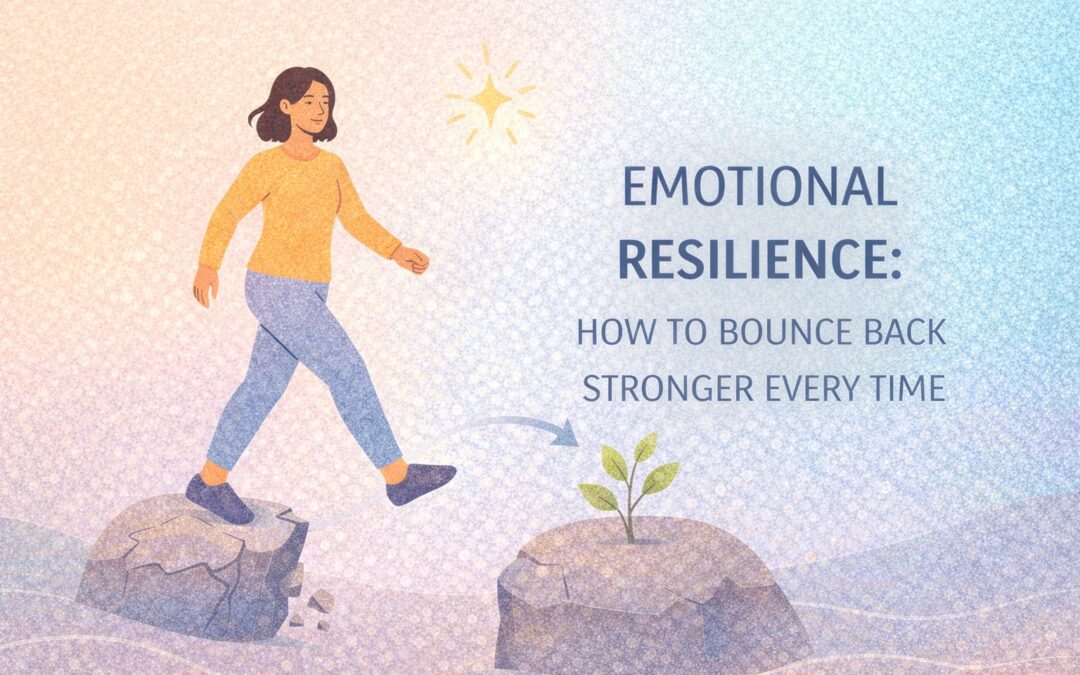
Life is full of challenges, setbacks, and unexpected twists. Whether it’s a personal loss, a professional setback, or a sudden change in circumstances, the way we respond emotionally can shape our overall wellbeing. This is where emotional resilience comes into play the ability to bounce back stronger after adversity, maintain perspective, and continue moving forward with confidence.
Understanding Emotional Resilience
Emotional resilience isn’t about avoiding stress or pain. Rather, it’s the capacity to adapt to challenging situations, manage difficult emotions, and maintain a sense of purpose even in adversity. Resilient individuals don’t suppress their feelings; instead, they acknowledge them, process them, and use them as stepping stones for growth.
Studies show that resilient people tend to recover from setbacks faster, maintain healthier relationships, and experience better mental and physical health. They view challenges as temporary and solvable, rather than insurmountable obstacles, which allows them to respond proactively rather than react impulsively.
Key Strategies to Build Emotional Resilience
-
Develop Self-Awareness:
Start by recognizing your emotions and understanding what triggers them. Journaling, mindfulness, and regular reflection can help you identify patterns in your reactions and highlight areas for growth. When you know your emotional tendencies, you can respond more effectively to stress. -
Practice Mindful Coping Techniques:
Mindfulness meditation, deep breathing exercises, and progressive muscle relaxation are proven ways to reduce stress and increase emotional regulation. By creating a calm inner space, you can prevent negative emotions from overwhelming you. -
Reframe Setbacks as Opportunities:
Resilient people view challenges as learning experiences. Instead of dwelling on failure, ask yourself, “What can I learn from this?” or “How can I grow stronger?” This mindset transforms obstacles into valuable lessons. -
Cultivate a Support System:
Strong connections with family, friends, or mentors provide emotional support and practical guidance during tough times. Sharing your struggles with trusted individuals helps alleviate stress and promotes perspective. -
Focus on Physical Wellbeing:
Emotional resilience is closely linked to physical health. Regular exercise, sufficient sleep, and a balanced diet improve your capacity to manage stress and maintain mental clarity. -
Set Realistic Goals and Take Action:
Break large challenges into smaller, achievable steps. Taking proactive measures, no matter how small, can create a sense of control and boost confidence during difficult times. -
Embrace Flexibility and Adaptability:
Life rarely goes according to plan. Resilient individuals adapt to new circumstances without losing sight of their long-term goals. Flexibility allows you to respond creatively to challenges instead of resisting change.
The Ripple Effect of Emotional Resilience
Building emotional resilience doesn’t just help you overcome immediate challenges it transforms your life over time. With each successfully navigated setback, your confidence grows, your stress tolerance improves, and your sense of purpose deepens. Resilient individuals inspire those around them, fostering healthier relationships and a more positive environment.
In essence, emotional resilience is like a muscle: the more you practice it, the stronger it becomes. By embracing self-awareness, mindful coping, supportive relationships, and adaptive strategies, anyone can cultivate the resilience necessary to face life’s uncertainties with courage and composure.
Conclusion
No matter what life throws your way, emotional resilience allows you to bounce back stronger, wiser, and more empowered. By adopting these strategies, you can transform adversity into growth, cultivate inner strength, and navigate challenges with grace. Remember, resilience isn’t about never falling it’s about learning to rise each time with renewed determination.