
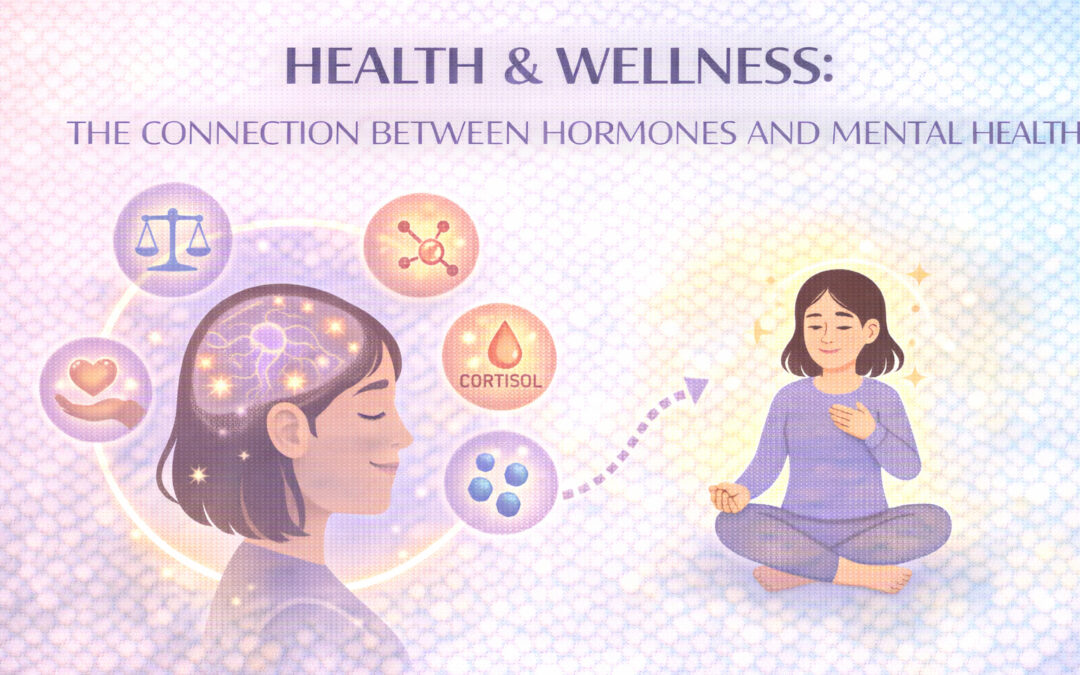
Health and wellness go far beyond diet and exercise. One of the most overlooked yet powerful influences on mental well-being is hormonal balance. Hormones act as chemical messengers in the body, regulating mood, energy levels, sleep, stress response, and emotional stability. When hormones are balanced, mental clarity and emotional resilience improve. When they are disrupted, mental health often suffers.
Understanding the connection between hormones and mental health is a crucial step toward holistic wellness.
What Are Hormones and Why Do They Matter?
Hormones are chemicals released by glands such as the thyroid, adrenal glands, pancreas, and reproductive organs. They travel through the bloodstream and influence how organs and systems function.
Key hormones that impact mental health include:
Cortisol (stress hormone)
Serotonin (mood regulation)
Dopamine (motivation and pleasure)
Estrogen and Progesterone (emotional balance)
Testosterone (confidence and energy)
Even small hormonal imbalances can significantly affect emotional well-being.
How Hormones Influence Mental Health
1. Stress and Cortisol Imbalance
Cortisol helps the body respond to stress. However, chronic stress leads to prolonged cortisol release, which can result in anxiety, irritability, burnout, and sleep disturbances. Over time, elevated cortisol levels may contribute to depression and emotional exhaustion.
Managing stress is essential for restoring hormonal and mental balance.
2. Mood Disorders and Serotonin Levels
Serotonin is often called the “feel-good hormone.” Low serotonin levels are linked to depression, mood swings, and emotional instability. Factors such as poor diet, lack of sunlight, disrupted sleep, and chronic stress can reduce serotonin production.
Supporting serotonin naturally improves emotional resilience and mental clarity.
3. Hormonal Changes and Emotional Sensitivity
Life stages such as puberty, pregnancy, postpartum, and menopause involve major hormonal shifts. These changes can heighten emotional sensitivity, increase anxiety, or trigger depressive symptoms.
Understanding that emotional fluctuations may be hormonally influenced helps reduce self-judgment and encourages compassionate self-care.
4. Blood Sugar, Insulin, and Mental Focus
Insulin regulates blood sugar levels. Fluctuating blood sugar can cause irritability, fatigue, brain fog, and mood crashes. Stable blood sugar supports focus, emotional balance, and sustained energy throughout the day.
Signs Your Mental Health May Be Hormone-Related
You may be experiencing hormonal influence if you notice:
Unexplained mood swings
Chronic fatigue
Anxiety without a clear cause
Sleep disturbances
Low motivation or mental fog
Recognizing these signs allows you to address root causes rather than only symptoms.
Supporting Hormonal Balance for Better Mental Health
1. Prioritize Quality Sleep
Sleep regulates nearly every hormone in the body. Poor sleep disrupts cortisol, serotonin, and insulin levels. Aim for consistent sleep routines and restorative rest to support emotional wellness.
2. Nourish Your Body Mindfully
A balanced diet rich in whole foods, healthy fats, protein, and fiber supports hormone production. Nutrient deficiencies often worsen mood disorders and fatigue.
3. Manage Stress with Mindful Practices
Meditation, deep breathing, journaling, and gentle movement reduce cortisol levels and calm the nervous system. Mindful awareness improves emotional regulation and mental clarity.
4. Move Your Body Regularly
Exercise supports dopamine and serotonin release while reducing stress hormones. Even moderate daily movement can significantly improve mental health.
5. Practice Emotional Awareness
Suppressing emotions increases internal stress. Allowing yourself to feel, process, and release emotions supports both hormonal and psychological balance.
A Holistic Approach to Health and Wellness
Mental health is not just psychological it is deeply biological. Hormonal balance plays a vital role in emotional stability, motivation, focus, and resilience. When you care for your body, your mind responds positively.
True wellness comes from addressing the whole person: body, mind, and emotions working together in harmony.
Conclusion
The connection between hormones and mental health is powerful and undeniable. By understanding how your body influences your emotions, you can take proactive steps toward healing, balance, and long-term wellness. Supporting hormonal health is not about perfection it’s about awareness, consistency, and compassionate self-care.
When hormones are balanced, the mind finds clarity, and emotional well-being becomes sustainable.