
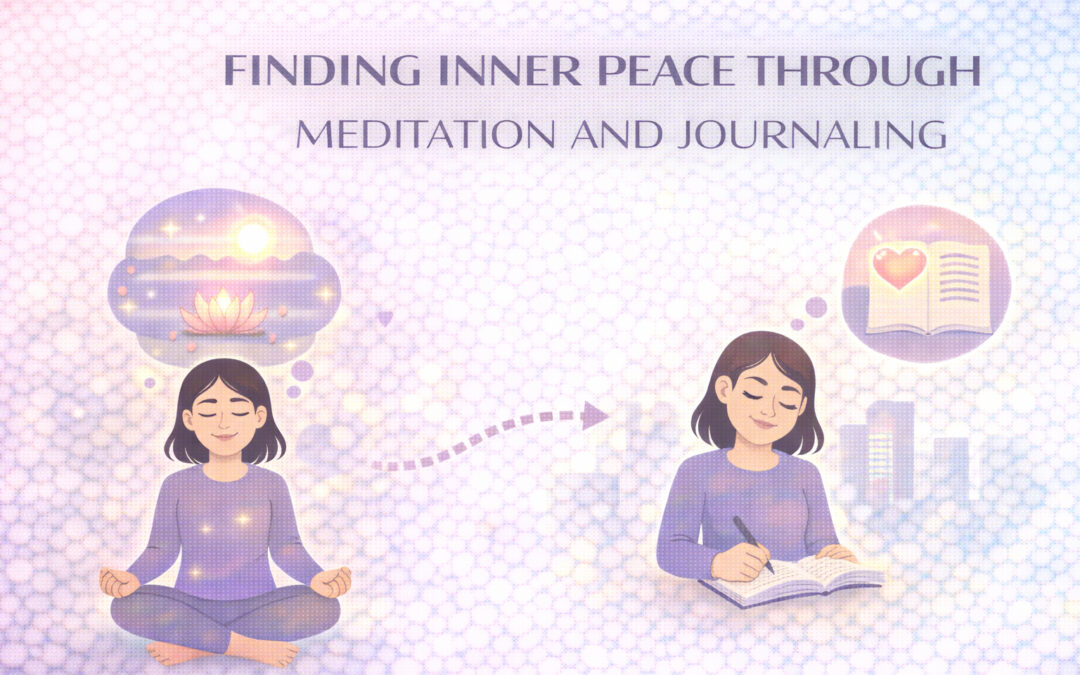
In a world filled with constant noise, pressure, and emotional overload, finding inner peace can feel like a distant goal. Many people search for calm externally, yet true peace begins within. Two powerful practices—meditation and journaling—offer a simple yet transformative path toward emotional balance, clarity, and self-connection.
When practiced consistently, meditation and journaling help quiet the mind, process emotions, and reconnect with your inner self.
Understanding Inner Peace
Inner peace is not the absence of problems; it is the ability to remain calm and centered despite challenges. It allows you to respond thoughtfully rather than react emotionally. Inner peace creates emotional resilience, mental clarity, and a deeper sense of fulfillment.
Meditation and journaling work together to support this state by calming mental chatter and giving space for self-reflection.
The Power of Meditation for Mental Calm
Meditation is the practice of becoming present with your thoughts, emotions, and breath without judgment. Even a few minutes a day can create noticeable shifts in emotional awareness and stress levels.
Benefits of Meditation
Reduces anxiety and stress
Improves focus and emotional regulation
Increases self-awareness
Promotes relaxation and clarity
Meditation teaches you to observe your thoughts rather than be controlled by them. Over time, this awareness brings a deep sense of peace and grounding.
How Journaling Supports Emotional Healing
Journaling is a powerful tool for emotional expression and self-discovery. Writing allows thoughts and emotions to move from your mind onto paper, creating clarity and emotional release.
Benefits of Journaling
Helps process emotions
Reduces mental overwhelm
Encourages self-reflection
Improves emotional intelligence
When you journal regularly, you develop a deeper understanding of yourself, your triggers, and your inner needs.
Why Meditation and Journaling Work Better Together
Meditation calms the mind, while journaling helps organize thoughts. Together, they create balance between awareness and expression.
For example:
Meditation helps you notice emotions
Journaling helps you understand and release them
This combination creates a safe inner space where healing and self-growth naturally unfold.
Simple Meditation Practices to Begin With
You don’t need long sessions or advanced techniques to benefit from meditation.
Try these beginner-friendly methods:
Breath awareness: Focus on slow, deep breathing for 5–10 minutes
Guided meditation: Use calming audio to stay focused
Body scan meditation: Bring attention to each part of your body
Consistency matters more than duration. Even short daily practices create long-term benefits.
Journaling Prompts for Inner Peace
If you’re unsure where to start, these prompts can help:
What emotions am I carrying today?
What am I grateful for right now?
What thoughts are creating stress in my life?
What does peace look like for me?
There is no right or wrong way to journal. Honesty and openness are key.
Creating a Daily Mindfulness Routine
To experience lasting inner peace, integrate meditation and journaling into your daily routine.
A simple structure could be:
5–10 minutes of meditation
5 minutes of journaling
This routine helps ground your day with intention, clarity, and emotional balance.
Letting Go of Perfection
Many people avoid mindfulness practices because they believe they must “do it perfectly.” Inner peace does not come from perfection—it comes from presence.
Some days will feel calm, others chaotic. Both are part of the journey.
Conclusion
Finding inner peace is a personal and ongoing process. Through meditation and journaling, you create space to listen, reflect, and reconnect with yourself. These practices gently guide you toward emotional clarity, self-awareness, and calm—even during life’s most challenging moments.