
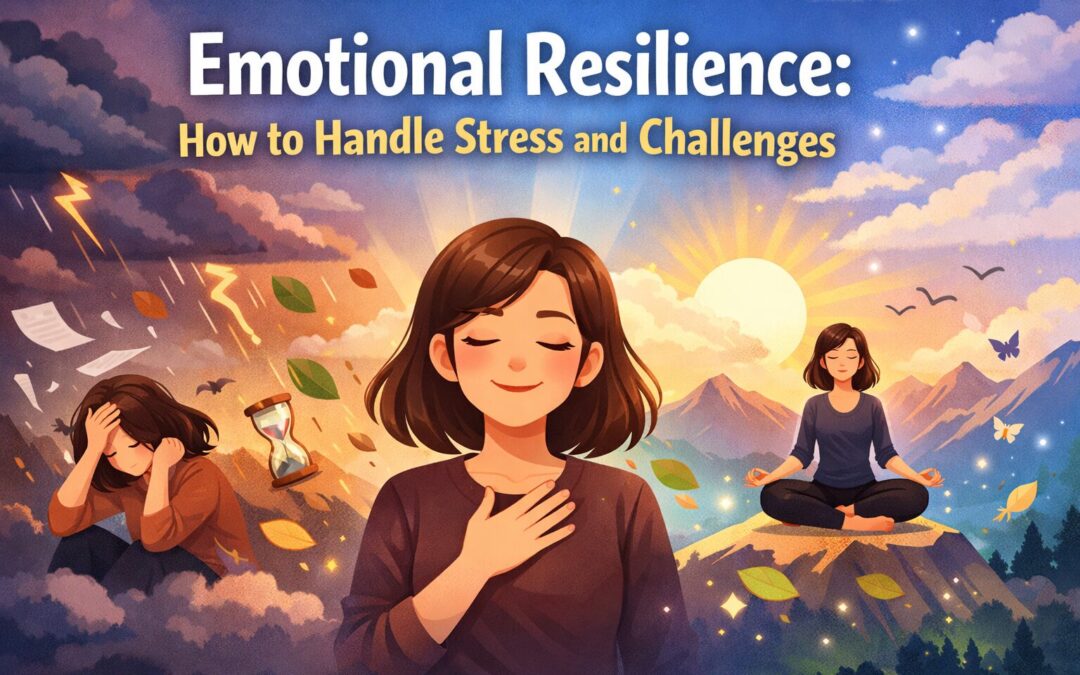
In today’s fast-paced world, stress and challenges have become a regular part of life. Whether it’s work pressure, relationship struggles, financial worries, or personal setbacks, emotional resilience plays a vital role in how well we cope and move forward. Emotional resilience is not about avoiding difficulties; rather, it is about developing the strength to face them calmly, adapt effectively, and grow through the experience.
Understanding Emotional Resilience
Emotional resilience refers to the ability to manage emotions during stressful situations and recover quickly from difficulties. Life will always bring unexpected challenges, but emotionally resilient people respond with clarity instead of panic. They understand their emotions, accept them without judgment, and take constructive action rather than feeling overwhelmed.
Resilience is not something you are born with it is a skill that can be learned and strengthened over time. By building emotional resilience, you develop better control over your reactions, reduce mental fatigue, and improve overall well-being.
Why Stress Feels Overwhelming
Stress becomes overwhelming when emotions are ignored or suppressed. Many people try to “push through” stress without addressing its root causes. This often leads to burnout, anxiety, and emotional exhaustion. When stress accumulates without healthy coping strategies, it begins to affect physical health, decision-making, and relationships.
Recognizing stress early is a powerful step toward resilience. Emotional awareness allows you to pause, reflect, and choose healthier responses rather than reacting impulsively.
Practical Ways to Build Emotional Resilience
Developing emotional resilience requires consistent effort and mindful practices. Here are effective ways to strengthen it:
-
Practice Emotional Awareness: Acknowledge what you’re feeling instead of denying it. Naming emotions like frustration, fear, or sadness helps reduce their intensity.
-
Develop Healthy Coping Habits: Techniques such as deep breathing, journaling, meditation, or physical activity help calm the nervous system.
-
Reframe Negative Thoughts: Challenges often trigger negative self-talk. Replace limiting beliefs with realistic and empowering perspectives.
-
Set Healthy Boundaries: Protect your mental energy by learning when to say no and prioritizing your well-being.
-
Focus on What You Can Control: Let go of outcomes you cannot change and redirect your energy toward actions within your control.
These small but consistent practices gradually build inner strength and emotional stability.
Handling Challenges with a Growth Mindset
A resilient mindset views challenges as opportunities for learning rather than obstacles. Instead of asking, “Why is this happening to me?” emotionally resilient individuals ask, “What can this teach me?” This shift in thinking reduces emotional resistance and increases adaptability.
Growth comes from discomfort. Each challenge faced with awareness and patience strengthens emotional resilience and confidence. Over time, setbacks become stepping stones rather than stopping points.
The Role of Self-Compassion
One of the most overlooked aspects of emotional resilience is self-compassion. Being kind to yourself during difficult moments builds emotional safety and reduces self-criticism. Accept that mistakes and struggles are part of being human.
Self-compassion does not mean avoiding responsibility it means supporting yourself while working toward improvement. This inner support system makes it easier to handle stress without emotional breakdowns.
Long-Term Benefits of Emotional Resilience
Emotionally resilient individuals experience better mental clarity, healthier relationships, and improved decision-making. They handle pressure with confidence and remain grounded during uncertainty. Over time, emotional resilience leads to higher self-esteem, reduced anxiety, and a deeper sense of inner peace.
By strengthening emotional resilience, you empower yourself to face life’s challenges with courage, balance, and self-trust.
Final Thoughts
Stress and challenges are unavoidable, but suffering is not. Emotional resilience gives you the tools to respond wisely rather than react emotionally. With awareness, self-compassion, and consistent practice, you can build a resilient mindset that supports growth, confidence, and emotional well-being no matter what life brings your way.