
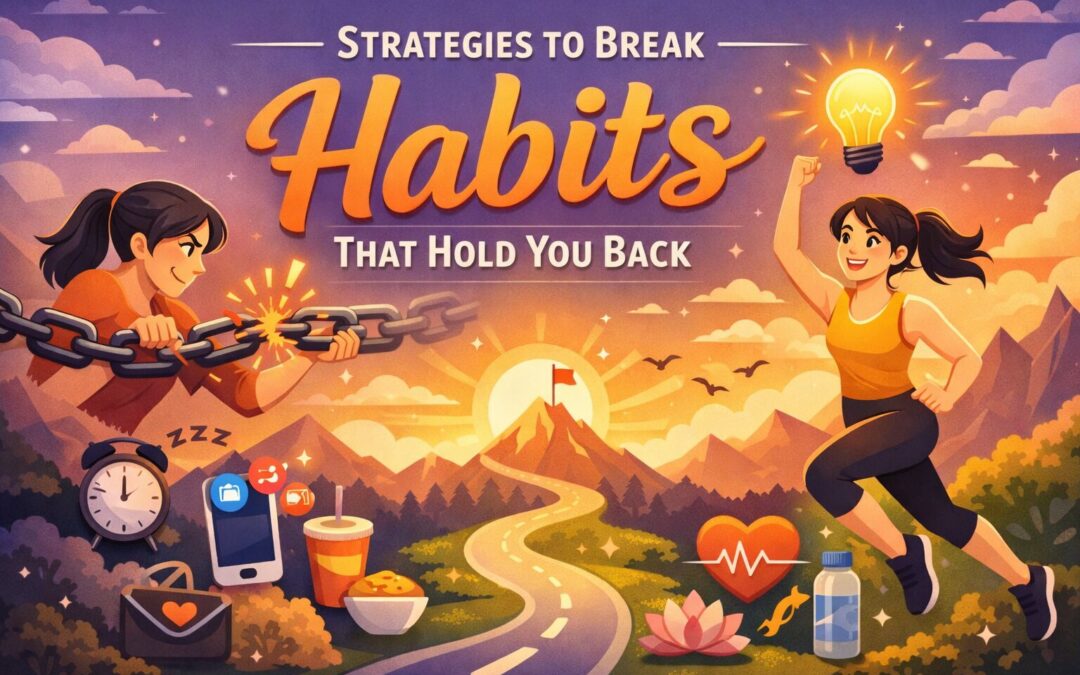
Every person has habits some help us grow, while others quietly hold us back from becoming the best version of ourselves. Negative habits often develop slowly, becoming part of our daily routines without us even noticing. Over time, these patterns can limit our confidence, productivity, and overall well-being. The good news is that habits are not permanent. With the right mindset and strategies, anyone can break unhealthy patterns and replace them with habits that support personal growth.
Understanding how habits work is the first step toward changing them. Habits form through repetition. When we repeat certain behaviors in response to triggers such as stress, boredom, or convenience, our brains begin to automate them. This automation is useful for positive routines but can also reinforce harmful behaviors. Recognizing the triggers behind negative habits allows you to take control and start making intentional changes.
Identify the Habits That Are Holding You Back
The first strategy for breaking negative habits is awareness. Many people continue harmful routines simply because they do not recognize the impact these behaviors have on their lives. Take some time to reflect on your daily actions. Ask yourself which habits reduce your productivity, affect your health, or limit your personal development.
For example, excessive procrastination, constant negative thinking, or spending too much time on social media can slowly drain your energy and motivation. Writing these habits down can help you clearly see the patterns that are preventing progress. Once you identify them, you can begin working toward replacing them with healthier behaviors.
Understand Your Triggers
Every habit is connected to a trigger. Triggers can be emotional, environmental, or social. Stress might lead someone to procrastinate. Boredom might cause endless scrolling on a phone. Certain environments or people can also reinforce negative behaviors.
By identifying the situations that activate your habits, you can start interrupting the pattern. For instance, if stress causes you to delay important tasks, developing a short breathing or planning routine during stressful moments can help you respond differently. Awareness of triggers allows you to regain control over your reactions.
Replace the Habit Instead of Eliminating It
One of the most effective strategies for breaking habits is replacement. Trying to completely eliminate a habit often leads to frustration because the brain still expects a response to the trigger. Instead of simply removing the habit, replace it with a healthier alternative.
If you tend to check social media whenever you feel bored, try replacing that moment with a quick walk, reading a few pages of a book, or practicing a short mindfulness exercise. Over time, the brain begins to associate the trigger with the new behavior, gradually weakening the old habit.
Start With Small, Consistent Changes
Many people fail to break habits because they try to change everything at once. Real transformation happens through small, consistent steps. Focus on one habit at a time and commit to improving it gradually.
For example, if your goal is to reduce procrastination, begin by dedicating just ten focused minutes to a task each day. Once that becomes easier, slowly increase the time. Small wins build confidence and make long-term change more sustainable.
Build a Supportive Environment
Your surroundings play a powerful role in shaping your habits. If your environment constantly encourages negative behaviors, change becomes much more difficult. Creating a supportive environment can help reinforce positive routines.
This might include organizing your workspace, limiting distractions, or surrounding yourself with people who encourage personal growth. Even small changes like placing a book on your desk instead of your phone can subtly guide your behavior in a better direction.
Practice Patience and Self-Compassion
Breaking habits takes time. Many people become discouraged when they slip back into old patterns, but setbacks are a natural part of the process. Instead of criticizing yourself, treat these moments as learning opportunities.
Self-compassion helps maintain motivation and resilience. Each day provides a new opportunity to practice better choices and strengthen healthier habits.
Moving Toward a Better Version of Yourself
Habits shape our daily lives more than we often realize. The small actions we repeat eventually determine our long-term success and happiness. By identifying harmful habits, understanding triggers, replacing behaviors, and making consistent improvements, you can gradually break patterns that hold you back.
Personal transformation does not happen overnight, but with awareness, patience, and commitment, anyone can create habits that support growth, confidence, and a more fulfilling life.