
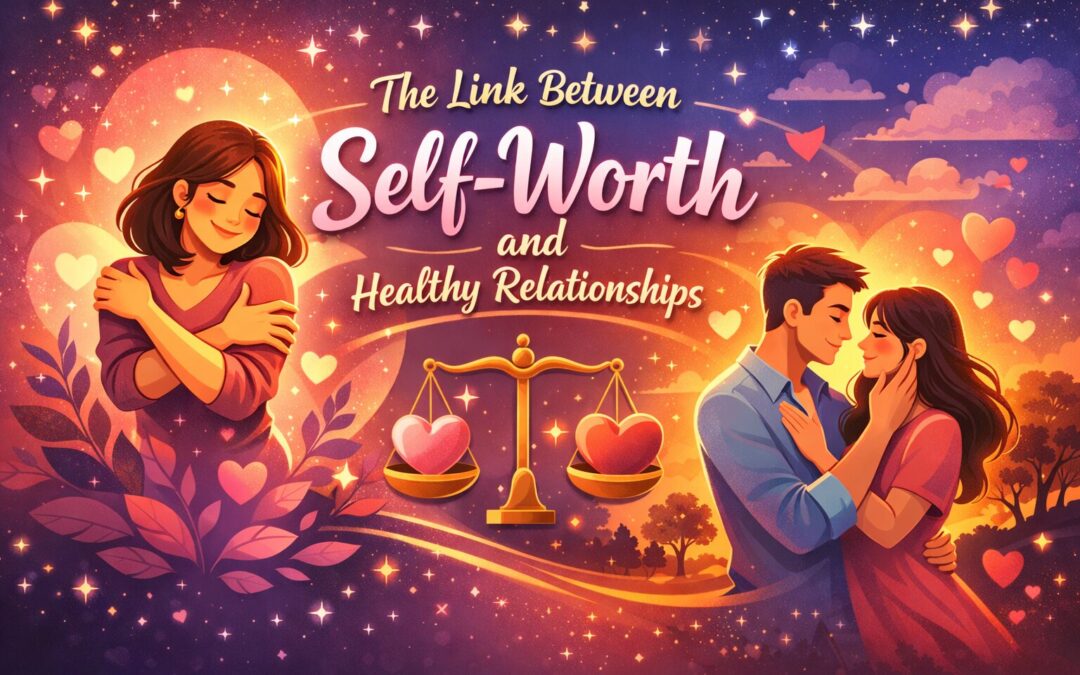
In today’s fast-paced world, relationships often become complicated not because of others, but because of how we see ourselves. Self-worth plays a powerful role in shaping the quality of our relationships. Whether it’s romantic, friendship, or family bonds, the way you value yourself directly influences how you allow others to treat you.
Understanding the connection between self-worth and healthy relationships is the first step toward building meaningful and fulfilling connections in life.
What Is Self-Worth?
Self-worth is the belief that you are valuable, deserving of love, respect, and happiness. It is not based on external validation, achievements, or approval from others. Instead, it comes from within your mindset, your self-talk, and your ability to accept yourself fully.
When you have strong self-worth, you don’t constantly seek validation. You know your value, and that confidence reflects in your behavior and decisions.
How Self-Worth Affects Relationships
Your level of self-worth sets the standard for your relationships. People with low self-worth often tolerate unhealthy behaviors because they fear rejection or believe they don’t deserve better. On the other hand, those with high self-worth naturally attract and maintain healthier relationships.
Here’s how self-worth impacts your relationships:
1. Setting Healthy Boundaries
When you value yourself, you understand the importance of boundaries. You’re not afraid to say no or walk away from situations that don’t serve you. Healthy boundaries protect your emotional well-being and create mutual respect in relationships.
2. Communication Becomes Clear and Honest
Self-worth allows you to express your thoughts and feelings openly without fear. You don’t suppress your emotions to please others. Instead, you communicate with honesty and confidence, which strengthens trust and understanding.
3. Reduced Dependency on Validation
People with low self-worth often depend heavily on others for approval. This can create pressure and imbalance in relationships. When you have strong self-worth, you don’t rely on others to feel complete you bring completeness into the relationship.
4. Ability to Walk Away from Toxic Relationships
One of the strongest signs of self-worth is knowing when to leave. If a relationship becomes toxic, disrespectful, or draining, you choose yourself instead of staying out of fear or attachment.
Signs of Low Self-Worth in Relationships
Recognizing the signs of low self-worth can help you identify patterns that may be harming your relationships:
Constant need for reassurance
Fear of being alone
Difficulty saying no
Accepting disrespect or poor treatment
Overthinking and insecurity
If these patterns feel familiar, it doesn’t mean something is wrong with you it simply means there is room for growth.
Building Self-Worth for Healthier Relationships
Improving self-worth is a journey, not a one-time achievement. It requires consistent effort, self-awareness, and patience.
1. Practice Self-Acceptance
Accept yourself as you are, including your flaws and imperfections. Growth starts with acceptance, not criticism.
2. Change Your Inner Dialogue
Pay attention to how you talk to yourself. Replace negative thoughts with supportive and encouraging ones.
3. Set Personal Standards
Decide what you deserve in a relationship respect, honesty, loyalty and don’t settle for less.
4. Spend Time Alone
Being comfortable alone strengthens your independence. It helps you understand that your happiness doesn’t depend on others.
5. Surround Yourself with Positive People
Healthy relationships reinforce your self-worth. Choose people who uplift, respect, and support you.
The Balance Between Self-Worth and Relationships
Healthy relationships are not about losing yourself in someone else. They are about two individuals who respect themselves and each other. When both partners have strong self-worth, the relationship becomes balanced, supportive, and empowering.
Instead of seeking someone to complete you, focus on becoming whole on your own. The right relationships will complement your life, not define it.
Final Thoughts
The connection between self-worth and healthy relationships is undeniable. When you value yourself, you naturally create space for relationships that reflect that value. You stop settling for less and start choosing what truly aligns with your well-being.
Remember, the relationship you have with yourself sets the tone for every other relationship in your life. Invest in yourself, nurture your self-worth, and watch how your relationships transform.