
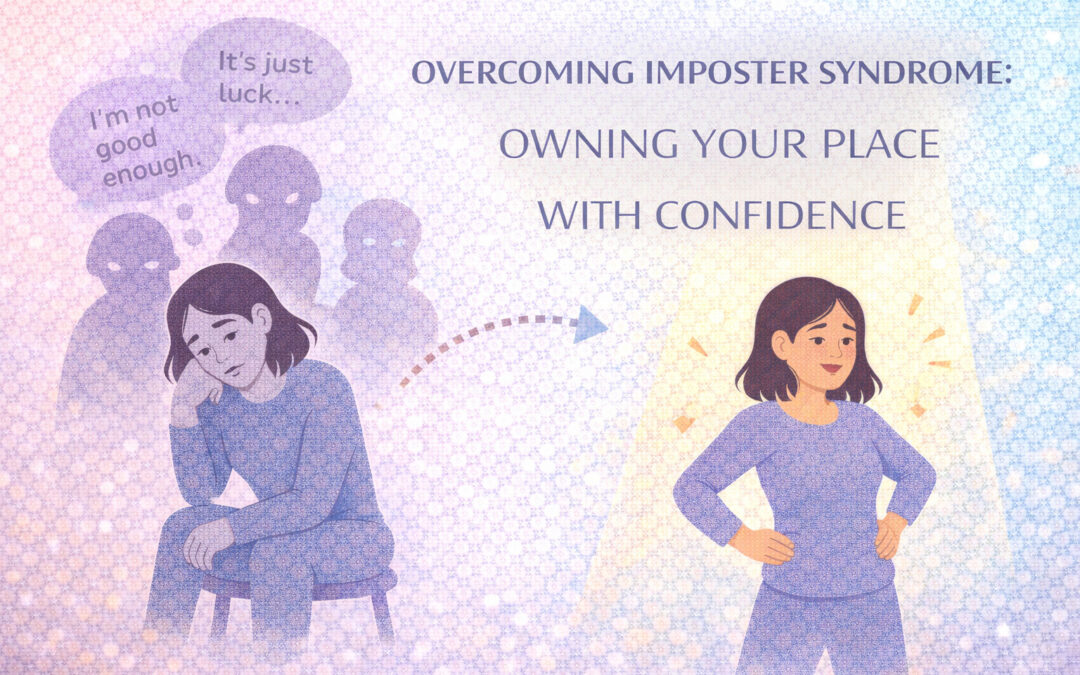
Have you ever felt like a fraud like you don’t truly deserve your achievements, and any moment now, someone will realize you’re not as capable as others think? You’re not alone. This experience is known as imposter syndrome a psychological pattern in which individuals doubt their skills, accomplishments, or success and fear being exposed as a “phony.” It’s not a reflection of your actual ability; it’s a mental pattern rooted in fear, comparison, and unrealistic expectations.
If you’ve ever thought, “I just got lucky”, “I don’t belong here”, or “I’m not good enough”, you’ve felt imposter syndrome. But here’s the important truth: those thoughts are not facts. They are reflections of fear, not reality. And with awareness, mindset work, and intentional practice, you can overcome them and confidently own your place in life.
Understanding Imposter Syndrome
Imposter syndrome doesn’t discriminate by age, gender, or professional level. Even highly successful people suffer from it. It stems from an internalized belief that achievements are not genuinely earned, that success is due to luck or external factors, and that any mistake will “reveal” incompetence. But this belief system is faulty because it’s based on comparison, self‑criticism, and fear not on objective reality.
The problem isn’t success it’s your interpretation of success. If you measure worth by external validation alone, you’ll always feel vulnerable to self‑doubt. True confidence, however, comes from internal trust and self‑belief.
How Imposter Syndrome Shows Up
Imposter syndrome often appears in some recognizable patterns:
-
Downplaying success: Attributing achievements to luck rather than effort
-
Perfectionism: Feeling like anything less than perfect equals failure
-
Overpreparation: Trying to “cover up” insecurity through excessive work
-
Self‑comparison: Constantly measuring yourself against others
-
Fear of failure: Avoiding risks due to fear of being “exposed”
-
Discounting praise: Brushing off compliments or positive feedback
These habits drain confidence and make personal growth feel scary but they are all thoughts, not truths.
Steps to Overcome Imposter Syndrome
1. Acknowledge and Name It
The very first step is awareness. Recognize when you’re slipping into self‑doubt or negative comparisons. Just naming the feeling “This feels like imposter syndrome” creates mental space and reduces its power.
2. Reframe Your Self‑Talk
Our self‑talk shapes our inner world. Instead of thinking, “I don’t belong here,” try:
-
“I earned this through effort and growth.”
-
“My journey is valid, even if it doesn’t look perfect.”
Replacing judgment with encouragement changes your brain’s response to fear.
3. Review Your Achievements Objectively
Make a list of accomplishments, no matter how small. Include skills you’ve developed, challenges you’ve overcome, and goals you’ve reached. When you see evidence of your progress on paper, it becomes harder to dismiss your worth.
4. Embrace Imperfection
Perfectionism fuels imposter syndrome. Instead of aiming for flawless work, focus on progress and learning. Mistakes are feedback not proof of inadequacy.
5. Seek Support and Community
Talking openly about your feelings with trusted people helps normalize your experience. You’ll often find others feel the same way and that vulnerability becomes connection rather than judgment. Healthy support reminds you you’re not alone.
6. Celebrate Your Effort, Not Just the Outcome
Instead of waiting for a milestone to feel worthy, celebrate the effort you put in: showing up, learning, growing. Confidence roots in action not in validation from others.
7. Practice Self‑Compassion
Treat yourself the way you would treat a friend who’s struggling. When self‑criticism arises, ask:
-
Would I say this to someone I care about?
-
How can I speak gently to myself right now?
Self‑compassion reduces fear and builds resilience.
Owning Your Place with Confidence
Overcoming imposter syndrome doesn’t mean you’ll never feel self‑doubt again. It means you learn to respond differently when those thoughts arise. Instead of shrinking or hiding, you pause, reflect, and choose a belief that supports your growth.
Confidence isn’t about never feeling fear or uncertainty. It’s about acknowledging those feelings without letting them dictate your actions. When you stop viewing yourself through the lens of self‑criticism and begin seeing your worth clearly, you step into your life with integrity, strength, and authenticity.
Remember: you are not an imposter you are a learner, a grower, and a person with unique value. You belong here, and your growth journey matters.