
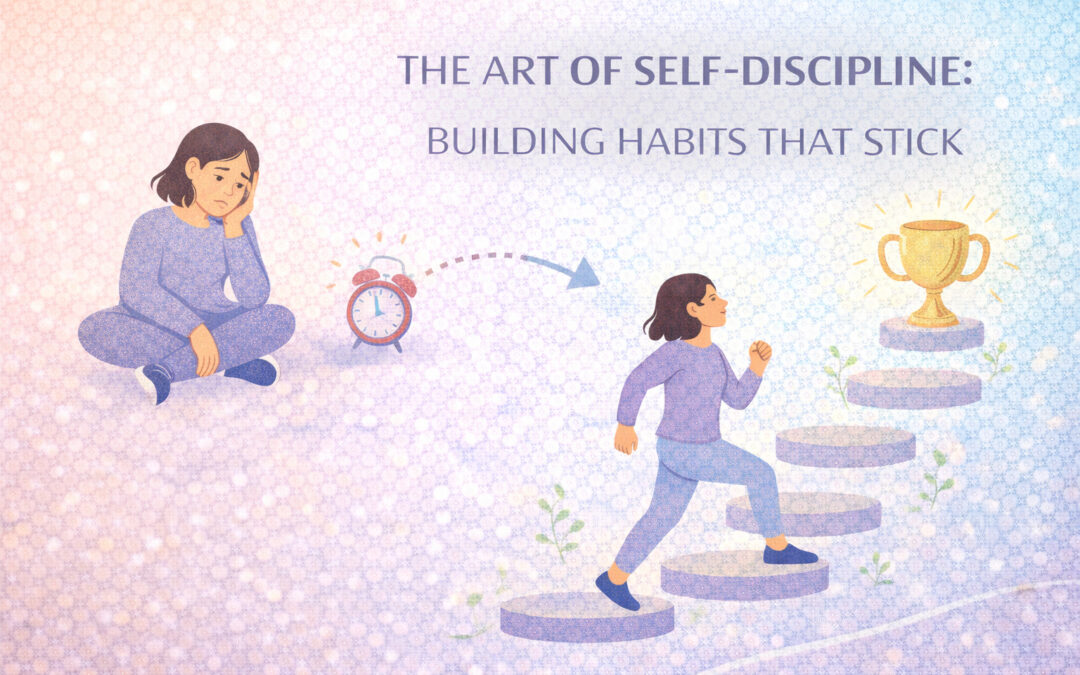
In an age filled with distractions, temptations, and constant stimulation, self-discipline may feel like an elusive superpower. We often associate discipline with restriction or effort something that limits our freedom. But true self-discipline is not punishment; it’s a conscious choice to invest in your future well-being. It’s the art of consistently acting in alignment with your values and goals, even when motivation wanes.
Self-discipline is the force that bridges the gap between intention and achievement. Without it, goals remain dreams distant, inspiring, but unfulfilled. With it, transformation becomes possible. The good news? Self-discipline is not innate; it is built one choice at a time.
Understanding Habits: The Foundation of Discipline
At its core, self-discipline is not about sheer willpower. It’s about habits patterns of behaviour that become automatic over time. Habits are the infrastructure of your daily life. Whether positive or negative, habits shape most of what you do.
The secret to building habits that stick lies in understanding how behaviours become automatic:
-
Cue a trigger that initiates a behaviour
-
Routine the behaviour itself
-
Reward the benefit your brain associates with the behaviour
When a behaviour consistently follows a cue and delivers a reward, it becomes ingrained as a habit. This is how discipline becomes easier over time: your brain stops resisting and starts expecting the behaviour.
Why Self-Discipline Feels Difficult
Many people struggle with discipline because they rely on motivation alone. Motivation is emotional, fluctuating, and unreliable. It comes and goes, like a wave. Discipline, however, thrives in consistency, not intensity.
Here are a few reasons why self-discipline feels difficult:
-
Lack of clarity Unclear goals lead to unfocused action
-
Unrealistic expectations Trying to change everything overnight
-
Fear of discomfort Avoiding short-term discomfort in favour of short-term pleasure
-
Lack of routine No established structure to support new habits
The antidote to all these barriers is small, intentional steps repeated over time not grand declarations that fade with waning motivation.
How to Build Habits That Stick
Here’s a simple framework to cultivate lasting discipline and habits:
1. Start with Clear, Meaningful Goals
Begin with why. Why does this habit matter to you? Connecting your habits to deeper values fuels consistency. For example:
-
Instead of “I want to exercise,” say “I choose strength because it makes me feel confident and healthy.”
When your goals have emotional resonance, your brain links the habit to a meaningful purpose, not just a task.
2. Break It Down
Big goals can be intimidating and easy to delay. Break them into tiny, achievable actions.
For example:
Instead of “Meditate for 30 minutes,” start with “Meditate for 3 minutes daily.”
Small actions lower resistance and build momentum.
3. Attach Habits to Existing Routines
Link new habits to something already part of your day. This is called habit stacking.
Example: After brushing your teeth in the morning, you will write one sentence in your journal.
Your brain uses the existing routine as a cue for the new behaviour.
4. Track Your Progress
Tracking creates accountability. A simple habit tracker, calendar check marks, or daily reminders help your brain visualize consistency. Over time, seeing the chain of completed days becomes its own reward.
5. Create Immediate Rewards
Discipline becomes easier when the brain perceives a reward. The reward doesn’t need to be big a sense of calm, a moment of gratitude, or even a simple affirmation “I showed up today” can reinforce habit formation.
6. Practice Self-Compassion
You will miss days. You will struggle. Discipline isn’t perfection it’s resilience. When you falter, respond with kindness, not self-criticism. Gentle encouragement strengthens your brain’s trust in your own intentions.
Consistency Over Perfection
Remember: self-discipline is not about doing everything perfectly. It’s about consistency over time. Small, repeated choices matter far more than sporadic bursts of intense effort. When you choose consistency, your habits become your identity the kind of person you are, not just the kind of person you want to be.
With persistence, self-discipline becomes a source of freedom not limitation. It frees you from reactivity, impulsivity, and doubt. It anchors you in purpose, fosters growth, and helps you move steadily toward what truly matters.