
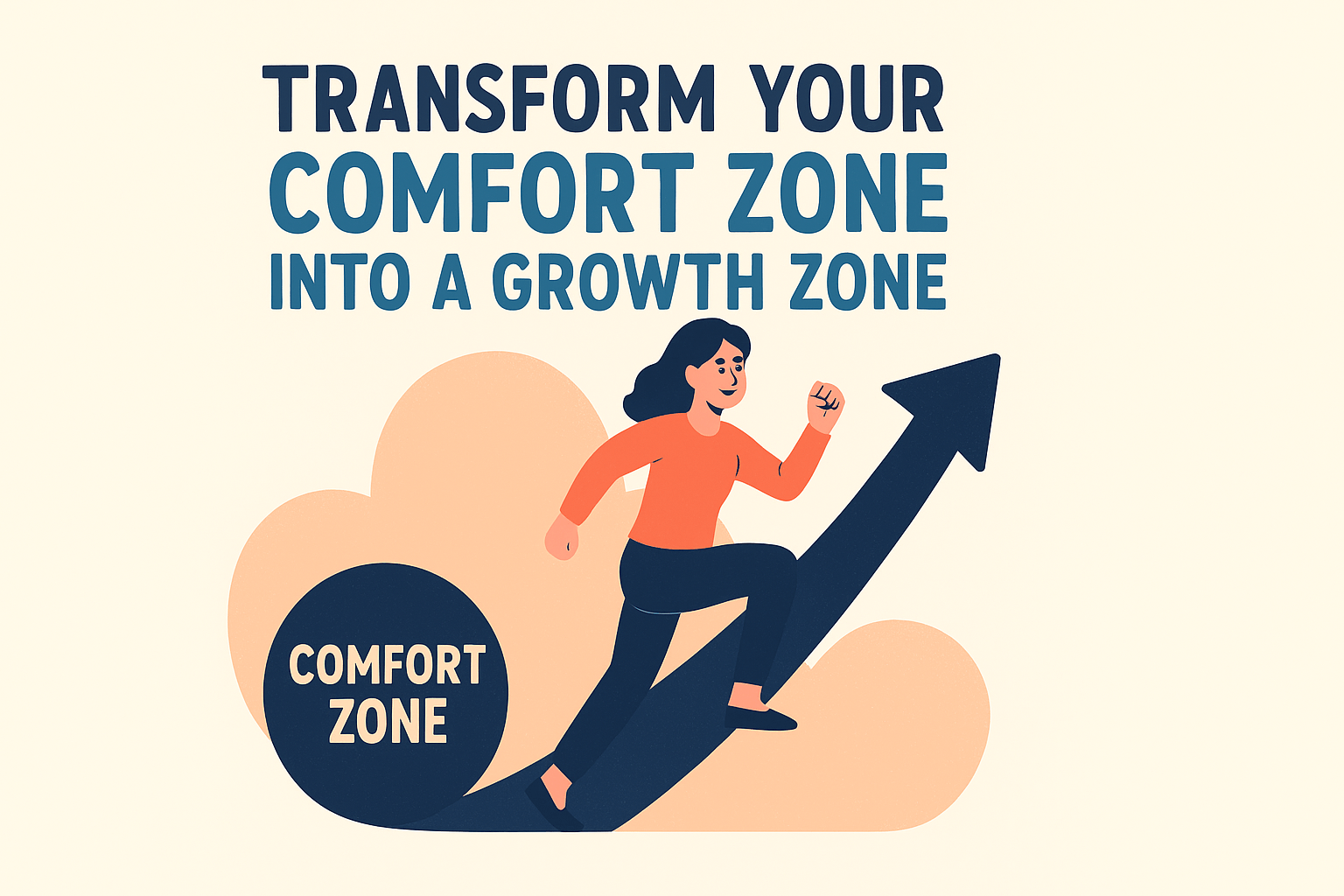
Have you ever found yourself settling into routines that feel safe but uninspiring? That’s your comfort zone a space where everything feels familiar, manageable, and predictable. While comfort zones offer security, they can also hold us back from realizing our full potential. Growth doesn’t happen where we’re comfortable; it happens when we step into the unknown. Transforming your comfort zone into a growth zone isn’t about abandoning security altogether it’s about expanding your boundaries and evolving into the best version of yourself.
Understanding the Comfort Zone
The comfort zone is the mental state where we feel in control and experience minimal stress. It’s where we stick to habits, routines, and environments that don’t challenge us too much. While this space is necessary for rest and recovery, staying there too long can lead to stagnation. You stop taking risks, stop learning, and eventually stop growing.
Think of your comfort zone as a cozy but small room safe but limiting. The moment you open the door and step outside, you expose yourself to new opportunities, new experiences, and new strengths you didn’t know you had.
The Power of the Growth Zone
The growth zone is where the magic happens. It’s where you take on challenges, learn new skills, and build resilience. It’s also where confidence grows. The more you step into unfamiliar situations and succeed, the more you start believing in your ability to adapt.
Transitioning from comfort to growth doesn’t mean rushing into discomfort it means expanding your limits gradually. Each small act of courage creates momentum, pushing your boundaries outward.
Steps to Move from Comfort to Growth
Acknowledge Your Fear:
Growth begins with awareness. Recognize what fears are holding you back fear of failure, rejection, or uncertainty. Once you name them, they lose their power over you.
Start Small:
You don’t have to make giant leaps. Begin with small, manageable changes. Take on a new hobby, speak up in meetings, or start a side project you’ve been postponing. Each small win builds confidence.
Set Growth-Oriented Goals:
Instead of goals focused solely on outcomes, focus on learning. For example, aim to improve your communication skills rather than become a public speaker overnight. Growth is a process, not a race.
Embrace Failure as Feedback:
Mistakes aren’t proof of inadequacy; they’re signs that you’re trying something new. Each setback teaches you something valuable. Reflect on what went wrong, adjust, and move forward.
Surround Yourself with Growth-Minded People:
The company you keep influences your mindset. Spend time with people who encourage you to dream bigger, think differently, and challenge your comfort zone.
Practice Self-Compassion:
Growth can be uncomfortable. There will be moments of doubt, frustration, and fear. Be gentle with yourself during the process. Progress, not perfection, is the goal.
The Mindset Shift
Transforming your comfort zone isn’t just about taking action it’s about shifting your mindset. You need to see challenges as opportunities and discomfort as a teacher. When you adopt a growth mindset, you begin to understand that your potential isn’t fixed. Every experience, whether successful or not, helps shape the person you’re becoming.
Conclusion
Your comfort zone might feel safe, but real fulfillment lies beyond it. Each step outside your comfort zone opens doors to self-discovery, creativity, and confidence. You don’t have to leap into the unknown just take one step at a time. Eventually, what once felt uncomfortable will become your new normal. And that’s how growth happens not in giant leaps, but in consistent, courageous steps.
So, take that step today. Your growth zone is waiting.