
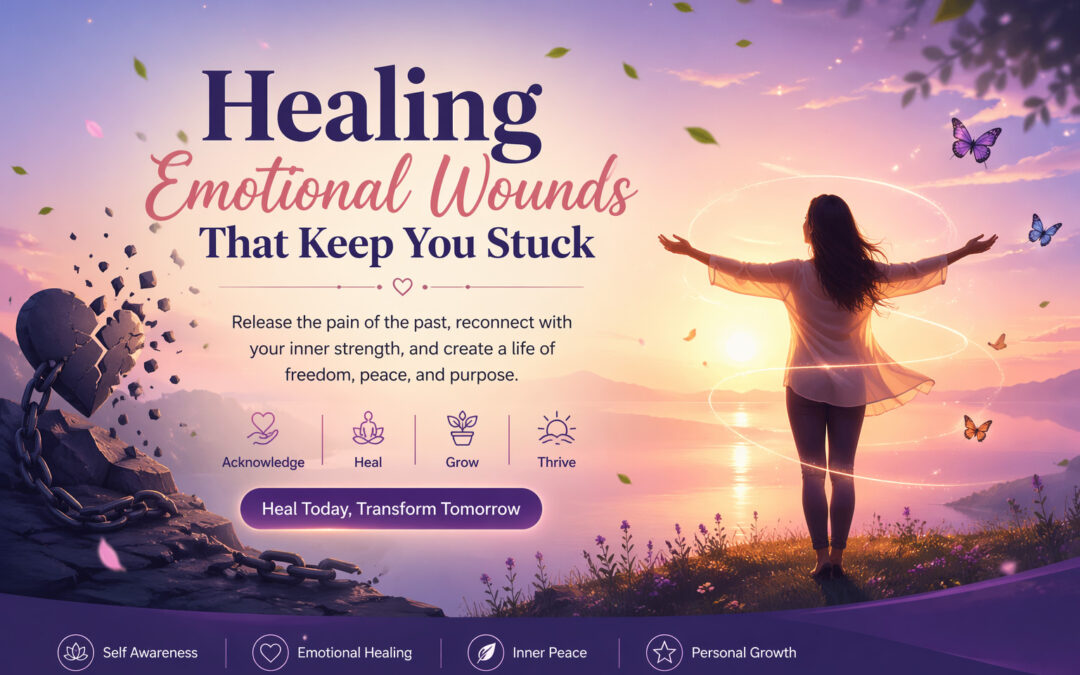
Emotional wounds are often invisible, yet they shape the way we think, feel, and respond to life. Many people feel stuck in patterns of sadness, fear, anger, or self-doubt without realizing that these emotions are rooted in unresolved past experiences. Healing emotional wounds is not about forgetting the past it is about understanding it, accepting it, and releasing its control over your present life.
When emotional pain is left unhealed, it quietly influences relationships, career choices, self-esteem, and even physical well-being. The good news is that healing is possible at any stage of life. With awareness, compassion, and consistent inner work, you can free yourself from emotional patterns that keep you stuck.
Understanding Emotional Wounds
Emotional wounds are created through experiences such as rejection, abandonment, betrayal, criticism, loss, or childhood trauma. These experiences may seem small or large, but their emotional impact depends on how deeply they affect your sense of safety and self-worth.
When these wounds are not processed, the mind stores them as emotional memories. Later in life, similar situations can trigger the same pain, even if the current situation is different. This is why many people feel they are “repeating the same cycle” in relationships, work, or personal growth.
Signs You Are Emotionally Stuck
You may be carrying emotional wounds if you experience:
Constant overthinking or anxiety
Fear of rejection or abandonment
Difficulty trusting others
Repeating unhealthy relationship patterns
Low self-worth or self-criticism
Emotional numbness or detachment
Feeling stuck despite wanting change
Recognizing these signs is the first step toward healing.
Why Emotional Healing Is Important
Unhealed emotional wounds can block personal growth. They create mental resistance that keeps you stuck in the past. You may want to move forward, but subconscious fears and beliefs hold you back.
Healing helps you:
Build healthier relationships
Improve self-confidence
Release emotional burden
Make clearer life decisions
Experience inner peace
Break repetitive life patterns
When emotional healing begins, life starts to feel lighter and more aligned.
Steps to Heal Emotional Wounds
1. Acknowledge Your Emotions
Healing begins with awareness. Instead of ignoring or suppressing emotions, allow yourself to feel them. Ask yourself what you are truly feeling and why.
2. Understand the Root Cause
Try to identify where the emotional pain originated. Often, present triggers are connected to past experiences that were never fully processed.
3. Practice Self-Compassion
Avoid blaming yourself for your emotional reactions. Speak to yourself with kindness instead of criticism. Healing requires patience, not pressure.
4. Release Suppressed Emotions
Journaling, meditation, deep breathing, or talking to a trusted person can help release stored emotions. Expressing pain helps reduce its intensity.
5. Reframe Your Beliefs
Many emotional wounds create limiting beliefs like “I am not enough” or “I will always be hurt.” Challenge these thoughts and replace them with healthier perspectives.
6. Seek Support When Needed
Sometimes emotional wounds are deep and require professional guidance. Therapy or emotional healing coaching can provide safe support for recovery.
Moving Forward With Emotional Freedom
Healing emotional wounds is not a one-time event it is a journey. Some days will feel easier, and some may bring old emotions back. But each step you take toward awareness and healing brings you closer to emotional freedom.
As you heal, you begin to respond to life instead of reacting from past pain. You start creating relationships and experiences from a place of clarity, not fear. Most importantly, you rediscover yourself beyond your wounds.
You are not defined by what hurt you. You are defined by your willingness to heal and grow beyond it.