
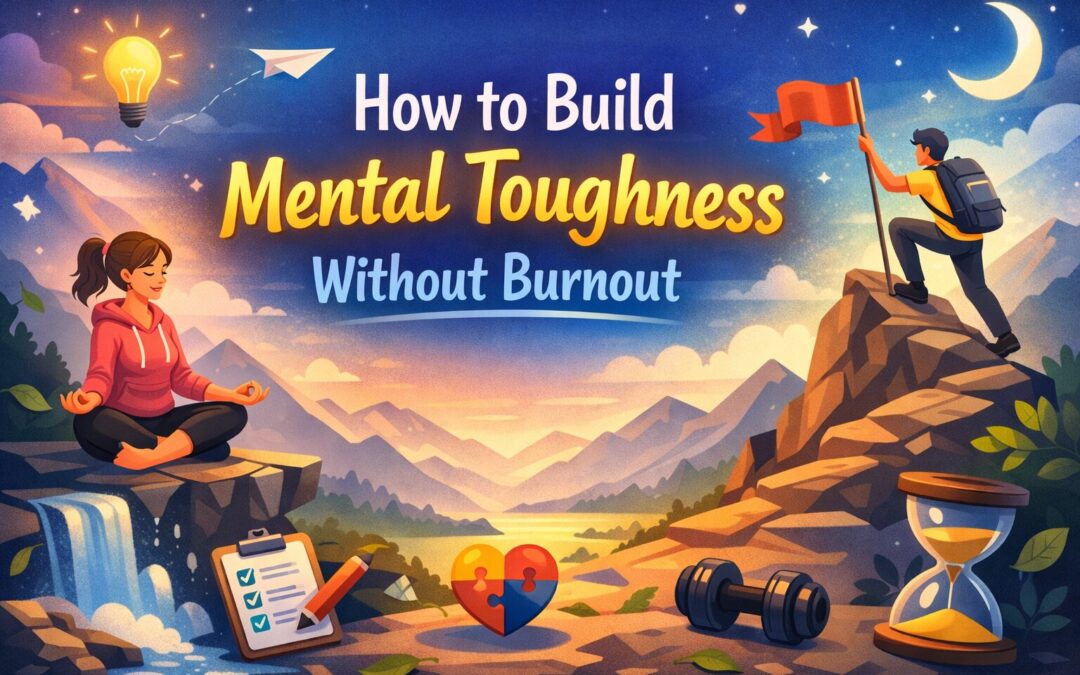
In today’s fast-paced world, mental toughness is often praised as the key to success. People admire individuals who can handle pressure, push through challenges, and stay focused even during difficult times. However, many people misunderstand mental toughness. They believe it means constantly pushing yourself harder without rest. In reality, true mental strength is not about exhausting yourself it’s about building resilience while protecting your emotional and mental well-being.
Learning how to build mental toughness without burnout allows you to grow stronger, stay balanced, and maintain long-term success without sacrificing your health or happiness.
Understanding What Mental Toughness Really Means
Mental toughness is the ability to remain calm, focused, and resilient during challenging situations. It helps you handle stress, overcome setbacks, and maintain a positive mindset even when things do not go according to plan.
However, mental toughness does not mean ignoring your emotions or pushing yourself until you are completely drained. True resilience includes self-awareness, emotional balance, and knowing when to slow down. When people ignore these aspects, they often experience burnout a state of emotional, physical, and mental exhaustion caused by prolonged stress.
The key is to develop strength while also maintaining inner balance.
Build Self-Awareness First
The foundation of mental toughness begins with self-awareness. When you understand your thoughts, emotions, and triggers, you gain the ability to manage them more effectively.
Instead of reacting impulsively to stress or frustration, you can pause, reflect, and choose a healthier response. Practicing mindfulness, journaling, or simply taking a few minutes each day to check in with yourself can significantly improve emotional clarity.
Self-awareness helps you recognize when you are pushing yourself too hard, allowing you to adjust before burnout begins.
Set Realistic Goals and Healthy Boundaries
Many people burn out because they constantly set unrealistic expectations for themselves. They try to do everything perfectly and take on more responsibilities than they can handle.
Building mental toughness involves learning to set clear, realistic goals and maintaining healthy boundaries. This means understanding your limits and respecting your personal energy levels.
When you prioritize tasks and focus on what truly matters, you reduce unnecessary stress while still making meaningful progress. Boundaries protect your mental energy and allow you to stay productive without feeling overwhelmed.
Practice Stress Management Techniques
Stress is a natural part of life, but how you manage it determines whether it strengthens you or drains you.
Healthy stress management techniques such as deep breathing, meditation, exercise, or spending time in nature can help calm your mind and restore emotional balance. These practices improve your ability to remain composed during difficult situations.
When your mind learns how to recover from stress effectively, you naturally develop stronger mental resilience without exhausting yourself.
Learn From Challenges Instead of Fighting Them
Mentally tough individuals view challenges as opportunities for growth rather than threats. Instead of resisting difficulties, they focus on learning from them.
Every setback contains valuable lessons that can help you develop better strategies, stronger emotional control, and deeper self-understanding.
By shifting your mindset from fear to curiosity, you transform obstacles into stepping stones toward personal growth.
Rest and Recovery Are Part of Strength
One of the biggest myths about mental toughness is that strong people never need rest. In reality, rest is essential for maintaining clarity, focus, and emotional stability.
Taking time to recharge allows your mind to process experiences and regain energy. Activities such as quality sleep, creative hobbies, and meaningful social connections support long-term mental health.
Sustainable strength comes from balance not constant pressure.
Final Thoughts
Building mental toughness without burnout is about creating a balanced approach to personal growth. It involves developing resilience, emotional awareness, and healthy habits that support both productivity and well-being.
When you learn to listen to your mind, respect your limits, and approach challenges with a growth mindset, you create lasting strength that supports every area of your life.
True mental toughness is not about pushing yourself endlessly. It is about becoming strong, aware, and balanced enough to handle life’s challenges while still protecting your peace.