
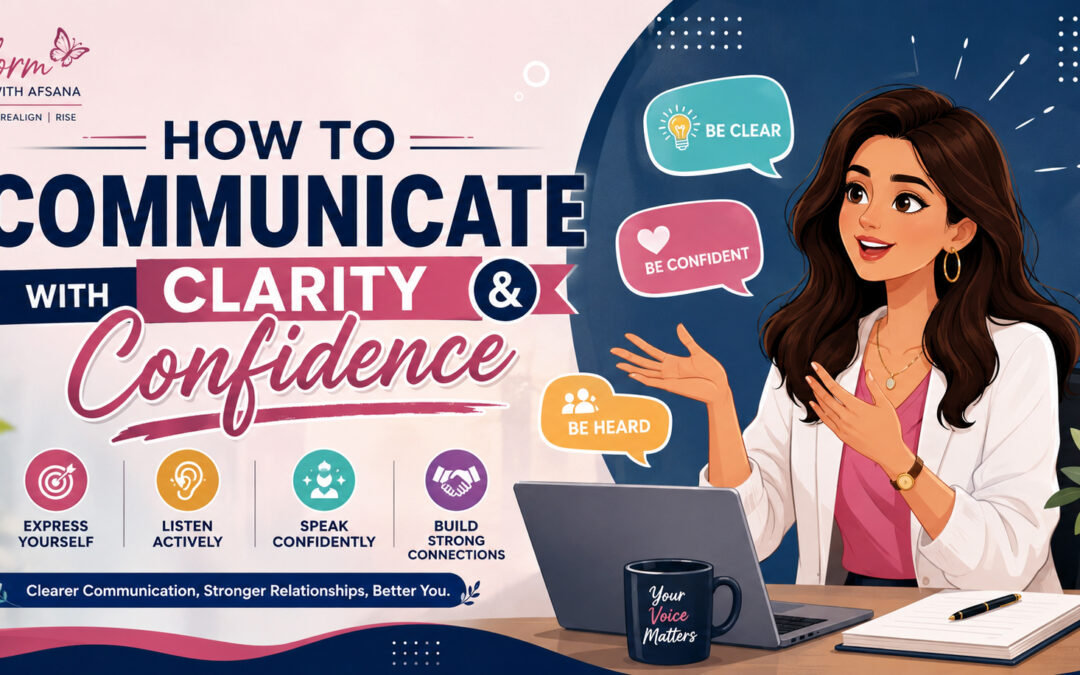
Why Clear Communication Matters
When your message is clear, people understand your intentions without confusion. Miscommunication often creates unnecessary conflict, stress, and frustration. Clear communication helps build trust, strengthens relationships, and improves collaboration in both personal and professional settings.
Confident communication also demonstrates self-respect. It allows you to express your needs while respecting the perspectives of others. Instead of reacting emotionally, you respond thoughtfully and intentionally.
Know Your Message Before You Speak
One of the biggest reasons conversations become confusing is because people speak before organizing their thoughts. Before entering an important discussion, ask yourself:
- What is my main point?
- What outcome do I want?
- What is the most respectful way to express this?
Having clarity in your own mind makes it much easier for others to understand your message.
Practice Active Listening
Great communicators are also excellent listeners. Listening is not simply waiting for your turn to speak. It means giving the other person your full attention, asking thoughtful questions, and seeking to understand before responding.
Active listening helps reduce misunderstandings and creates an environment where both people feel heard and valued.
Speak With Confidence, Not Perfection
Confidence does not require perfect words. It comes from believing that your thoughts, feelings, and experiences deserve to be expressed.
When speaking:
- Maintain natural eye contact.
- Use a calm and steady tone.
- Avoid unnecessary apologies.
- Speak at a comfortable pace.
- Pause when needed instead of rushing.
Remember, confidence grows through consistent practice, not instant perfection.
Be Honest and Respectful
Honesty builds credibility, but the way you deliver your message matters just as much. Being direct does not mean being harsh. You can communicate difficult truths with empathy and kindness.
For example, instead of saying, “You never listen to me,” try saying, “I feel unheard when I’m interrupted during conversations.”
This approach reduces defensiveness and encourages productive dialogue.
Learn to Set Healthy Boundaries
Clear communication is closely connected to healthy boundaries. Many people struggle because they avoid expressing their limits. Saying “no” respectfully is a sign of emotional maturity, not selfishness.
Simple statements like:
- “I’m not available at that time.”
- “I need some time to think about it.”
- “That doesn’t work for me.”
allow you to communicate honestly while protecting your emotional well-being.
Manage Your Emotions Before Responding
Strong emotions can cloud judgment and lead to words you later regret. Before responding during a challenging conversation, take a moment to breathe, gather your thoughts, and choose your words carefully.
Responding thoughtfully creates far better outcomes than reacting impulsively.
Build Confidence Through Daily Practice
Communication improves with repetition. Start practicing in everyday situations by speaking up during meetings, sharing your opinions respectfully, asking questions when you need clarification, or initiating conversations instead of waiting for others.
Each small success builds greater confidence for future interactions.
Embrace Authenticity
People connect with authenticity more than perfection. You do not need to imitate someone else’s communication style. Your genuine voice is your greatest strength.
Speak honestly, remain open to feedback, and continue learning from every conversation. Authentic communication creates deeper relationships because it is rooted in trust rather than performance.
Final Thoughts
Learning how to communicate with clarity and confidence is a lifelong journey that positively influences every area of your life. By organizing your thoughts, listening actively, expressing yourself honestly, setting healthy boundaries, and practicing consistently, you can become a more confident communicator.
Your voice matters. When you communicate with clarity, you create stronger relationships, reduce misunderstandings, and inspire confidence in those around you. Every conversation becomes an opportunity to connect, grow, and lead with authenticity.