
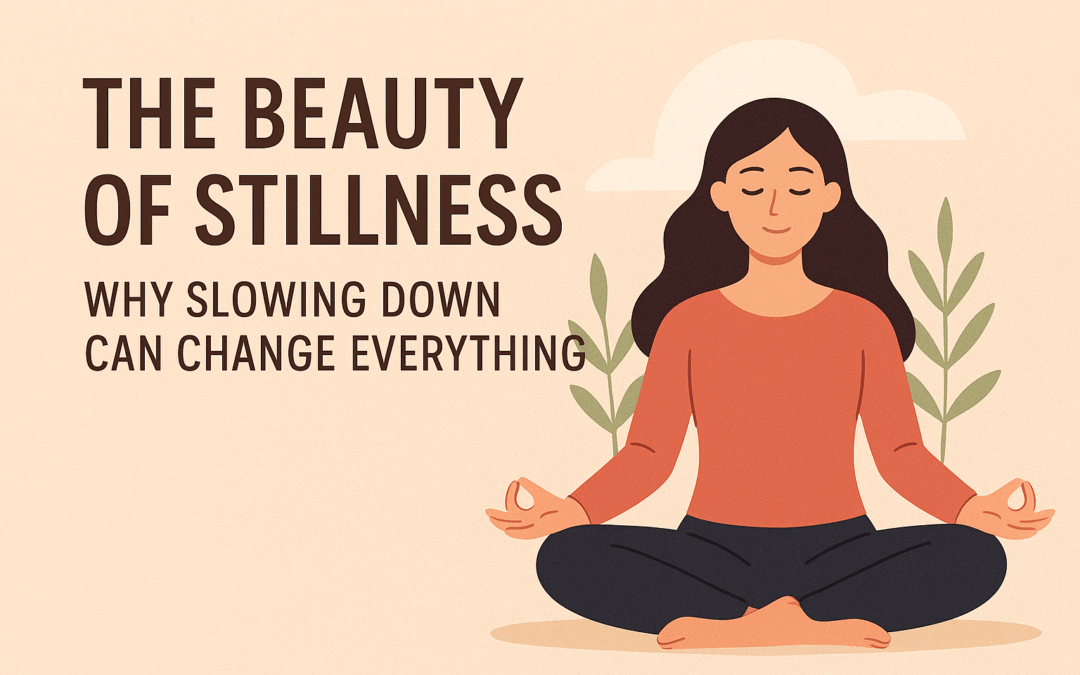
In a world obsessed with speed, productivity, and constant motion, stillness has become something rare — almost unfamiliar. Many people feel guilty for resting or slowing down, believing that doing more is the only way to succeed. Yet, the truth is simple: stillness is not the absence of growth; it is the space where growth begins.
When you intentionally slow down, you reconnect with yourself. You notice your thoughts, feelings, desires, and limits with greater clarity. And in that space of quiet, your mind finally has room to breathe, heal, and reset.
Why Stillness Matters in a Busy World
Stillness is not about doing nothing. It is about pausing long enough to understand what truly matters. When life becomes overwhelming, stillness helps you look inward instead of reacting to every external demand.
Many people live in a cycle of rushing, hustling, and striving, hoping that one day the constant movement will bring peace. But peace is not something you find by going faster — it arrives when you create space for it.
When you allow yourself to slow down, you begin to:
-
Reduce mental noise and calm overthinking
-
Recognize your emotional needs
-
Reconnect with clarity and purpose
-
Break free from autopilot living
Stillness is the antidote to the burnout and emotional exhaustion that modern life so often creates.
Stillness Helps You Hear Yourself Again
One of the most powerful gifts of slowing down is rediscovering your own inner voice. When your mind is full of noise — deadlines, notifications, responsibilities — it becomes difficult to recognize your true feelings.
However, in moments of stillness, you finally hear the whisper beneath the noise. This whisper is your intuition — the part of you that knows what you need, what you value, and what direction feels right.
When you create space for stillness, you:
-
Gain clarity about decisions
-
Understand your emotional triggers
-
Reconnect with your authentic self
-
Feel more grounded and confident
This inner guidance becomes a compass that leads you to choices aligned with your growth and happiness.
Slowing Down Improves Emotional Well-Being
Emotional healing requires space. When you constantly rush, you bypass your emotions instead of processing them. Stillness gives your heart the time and room it needs to feel, release, and recover.
When you slow down, your nervous system relaxes, your stress reduces, and your mind feels less tense. Over time, this leads to:
-
Fewer burnout episodes
-
Better emotional resilience
-
Healthier boundaries
-
More stability and inner peace
Slowing down helps you respond to life instead of reacting to it.
How to Invite More Stillness into Your Daily Life
You don’t need long meditation sessions or perfect routines to experience the power of stillness. Small shifts can make a huge difference.
Try incorporating these simple practices:
1. Morning Moments of Silence
Before grabbing your phone, sit quietly for a minute and breathe. Let the day begin gently.
2. Slow, Mindful Walks
Walk without rushing. Pay attention to your breathing, the sky, the ground beneath your feet.
3. Do One Task at a Time
Multitasking drains energy. Focus on one thing, slowly and intentionally.
4. Schedule “White Space” in Your Day
Plan time where you do nothing — no goals, no pressure, no expectations.
5. Digital Breaks
Put your phone away for 10–15 minutes every few hours to reset your mind.
These small pauses create powerful shifts in your mental, emotional, and physical well-being.
Slowing Down Is Not a Step Back — It’s a Step Into Yourself
You are not meant to live in constant motion. You are meant to grow, reflect, feel, and evolve — and that requires space. Stillness is not a luxury; it is a form of self-respect.
When you slow down, life becomes more meaningful. You notice beauty again. You reconnect with gratitude. You feel more alive, more aligned, and more at peace.
The beauty of stillness lies in what it reveals: the truth that everything you are searching for already exists within you — you just need the quiet to hear it.